Your cycle has four phases: you start with menstruation (rest and recovery), move into the follicular phase (energy and focus), hit ovulation (peak confidence and fertility), then enter the luteal phase (wind-down and pre-period symptoms). Eat iron and vitamin C during your period, boost protein and greens in the middle, and favor fiber and healthy fats later; adjust workouts from gentle to intense then back to easy. Keep going to learn practical tips and timing!
Key Takeaways
- The menstrual cycle has four phases: menstruation, follicular, ovulation, and luteal, repeating roughly every 28 days.
- Menstruation (days 1–5) is bleeding as the uterine lining sheds, with low hormones and rest recommended.
- Follicular phase (days 1–14) rebuilds the uterine lining and boosts energy as estrogen rises.
- Ovulation (around day 14) releases an egg, marked by peak energy, fertile cervical mucus, and increased libido.
- Luteal phase (days 15–28) follows ovulation with progesterone rise, causing possible bloating, mood changes, and lower energy.
Overview of the Cycle
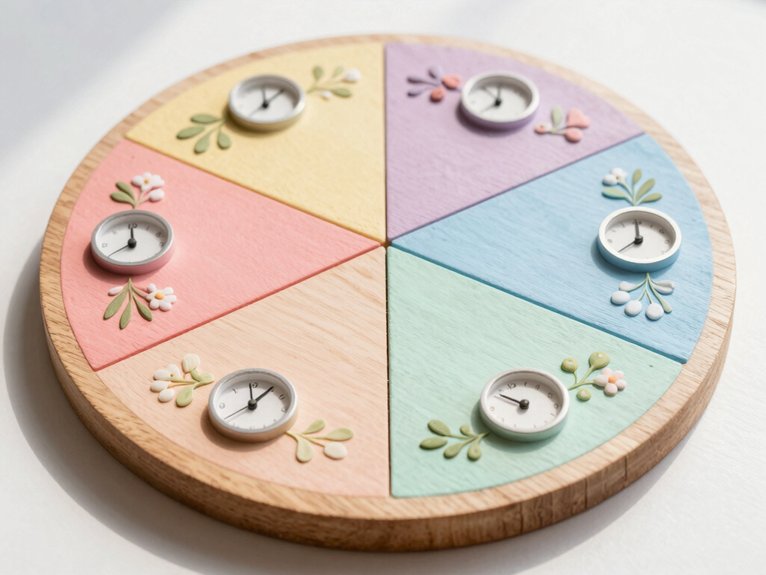
Get ready — your body runs on a pretty neat hormonal rhythm that sets the whole cycle in motion! You’ll notice hormones like estrogen, progesterone, and luteinizing hormone rising and falling at different times, kind of like a musical score that tells your ovaries and uterus what to do. It’s fascinating, and once you see the basic pattern — bleeding, rebuilding, ovulation, then prepping again — it all starts to make sense!
Hormonal rhythm basics
Although it might seem mysterious at first, your menstrual cycle is really a busy, well-choreographed hormonal dance that runs on a roughly 28-day beat (though 21–35 days is normal), and once you get the rhythm, it’s pretty cool! You’ll notice hormonal fluctuations that guide four clear phases—menstruation, follicular, ovulation, and luteal—so you can feel part of a shared, natural pattern. FSH and LH cue follicle growth and the big ovulation moment, while estrogen and progesterone shape your mood, energy, and body for possible pregnancy. Ovulation usually lands about 14 days before your next period, like clockwork for many. Think of it as cycle synchronization with your own body, a community of hormones working together—cheering you on!
Menstrual Phase
You’re at the start of your cycle, and this is the time to rest and recover—yay, permission to slow down! During the menstrual phase your body sheds the lining, hormones are low, and you might feel tired or crampy, so cozying up with a warm drink or a gentle walk can really help. Listen to your body, take naps, and don’t be afraid to cancel plans if you need to, because self-care now pays off for the rest of the month!
Rest and recovery focus
While your body is busy shedding the uterine lining during days 1–5 of your cycle, lean into rest and recovery so you can feel more like yourself—yes, naps are totally allowed! Try simple rest techniques like short naps, cozy blankets, and dim lighting to honor how you feel, and mix in recovery strategies such as eating iron-rich foods like red meat or seafood paired with vitamin C from citrus or peppers to boost iron absorption. You’ll likely feel more tired, so shift your sleep schedule and say yes to an earlier bedtime. Gentle yoga or stretching can ease cramps and lift your mood, and low-key social time helps you feel seen. Take small, caring steps—your body’s doing important work, and you belong here.
Follicular Phase
Now that your period’s wrapping up, you’re likely feeling a burst of clarity and motivation as the follicular phase kicks in—yay, energy return! You might notice your focus sharpens, ideas flow more easily, and you’re ready to tackle projects or plan new goals with a fresh, hopeful vibe. This is the time when hormones are ramping up, so use that momentum to schedule tasks you want to crush!
Rising clarity and motivation
Because your body’s gearing up for what could come next, the follicular phase often brings a burst of mental clarity and motivation that feels pretty great—like your brain’s got fresh batteries! You’ll notice clarity boosts and motivation spikes as estrogen rises over the roughly 10–14 days from the first day of your period to ovulation, and that shift lights up your focus and mood. You might tackle projects, plan with friends, or crank up your workouts, since energy climbs and ovarian follicles develop toward one mature egg. Try moderate exercise and slowly increase intensity—you’ll likely feel stronger and more focused. It’s a shared, welcoming rhythm, reminding you you’re part of a cycle that supports creativity, action, and connection!
Ovulation Phase
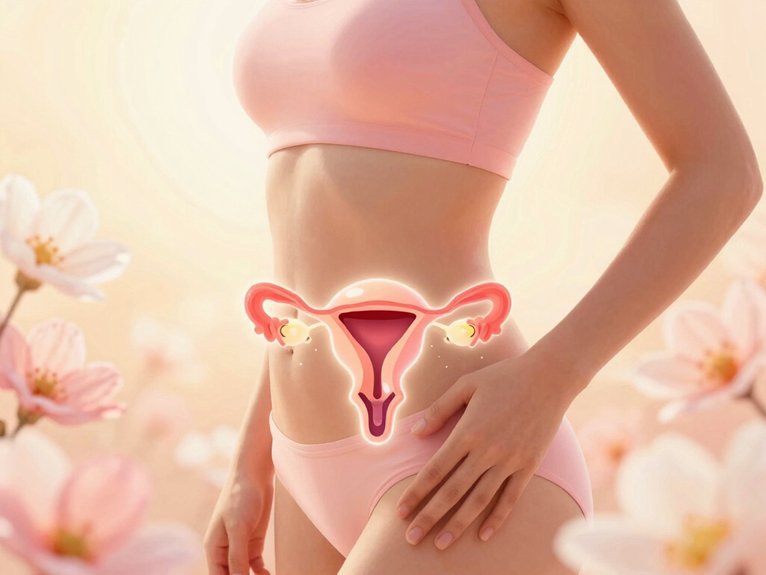
You’ll often feel a burst of peak energy and connection around ovulation, like you’re more outgoing, confident, and ready to mingle—how fun is that! Hormone shifts boost your libido and can make social moments, flirting, or even collaborating feel easier and more electric. Notice clear, stretchy cervical mucus or a slight temperature rise as clues that this high-energy window, when conception is most likely, is here.
Peak energy and connection
When ovulation hits—usually around day 14—you’ll often feel a real burst of energy and confidence, like your body’s giving you a little social superpower! You might notice peak creativity spilling into projects, chats, or plans, and your social confidence makes it easier to start conversations or join group fun. Hormone shifts, especially that LH spike and rising estrogen, lift your mood and boost drive, even your libido—perfect if you’re trying to conceive. Physically you’ll see clear, stretchy cervical mucus and a tiny rise in basal temperature, signs your body’s in sync. Enjoy this time to connect, plan, work together, or flirt a bit! It’s a great phase for bonding, leading, and feeling fully seen by others.
Luteal Phase
Now that ovulation’s passed, you’ll notice the pace slowing down as you move into the luteal phase—think of it as a time for reflection and rest! Your body’s busy making progesterone to keep the uterine lining cozy for a possible pregnancy, and that shift can bring mood swings, bloating, and a touch of fatigue, so don’t be surprised if you feel more inward and mellow. Embrace this quieter stretch, listen to what your body’s telling you, and maybe treat yourself to extra sleep or a favorite comfort activity!
Slowing down and reflection
Because your body’s shifted into the luteal phase after ovulation, things slow down a bit and you might notice a mix of tiredness, reflection, and a few physical quirks—hello, bloating and sore boobs! You’re in a time that lasts about day 15 to 28, when progesterone builds the lining for possible pregnancy, and if it isn’t needed, hormones fall and your period begins. This is a great moment for gentle self care practices and boosting emotional awareness, so you feel seen and steady. Try these easy, friendly steps to ride this phase with your chosen tribe:
- Rest more, nap or go to bed earlier.
- Journal feelings, notice mood swings.
- Try warm baths for cramps and bloating.
- Share support with friends or groups!
Emotional and Physical Changes

You can boost your awareness and practice self-care by noticing how your mood and body change through the cycle — from cramps and sensitivity during your period to a burst of energy in the follicular and ovulatory phases, and that premenstrual fog or irritability in the luteal phase. Try simple tracking, like jotting symptoms in an app or calendar, and plan easy self-care treats (cozy heat packs for cramps, extra sleep on rough days, or a fun workout when you feel energized)! Do it with a little curiosity and kindness, and you’ll get better at predicting what helps you feel your best — promise, it’s a game-changer!
Awareness and self-care
Ever wonder why some days you feel like a superhero and other days you just want to hide under a blanket? You’re not alone! Tracking your cycle helps you notice when hormones boost energy or bring cramps and low mood, and that awareness lets you plan self care strategies for emotional wellness. Try these simple steps to belong to your own care team:
- Note patterns: mood, cramps, sleep; see when you need extra support.
- Move gently: walk or stretch in low-energy days, cardio when you feel strong.
- Eat and rest: balanced meals and naps ease bloating, fatigue, and irritability.
- Connect: share feelings with friends or a partner; intimacy can soar mid-cycle!
You’ve got this—small habits make a big difference!
Nutrition Considerations
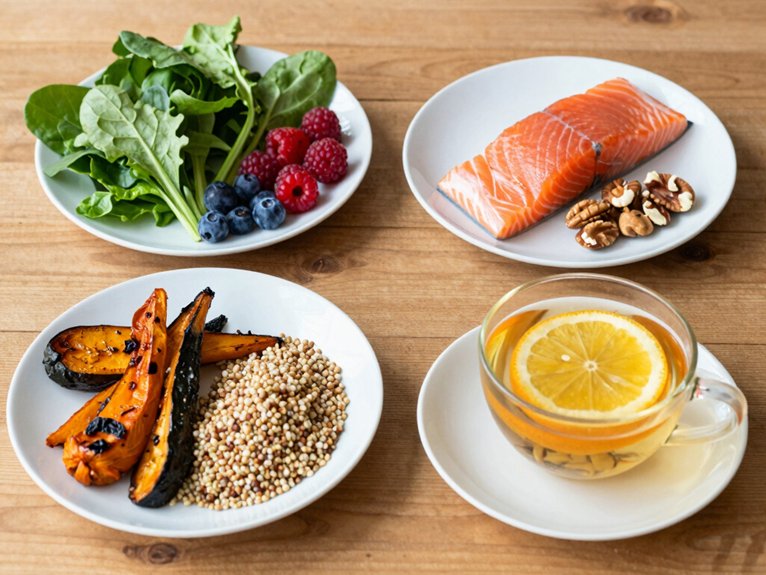
You can tune your plate to each phase of your cycle and feel the difference—how cool is that! During your period, aim for iron-rich foods like red meat, seafood, and vitamin C-packed oranges or bell peppers to help replace lost iron, and as you move into the follicular and ovulatory phases, keep iron up and add B-vitamin heroes like leafy greens and eggs for steady energy. In the luteal phase, reach for fiber-filled fruits, whole grains, anti-inflammatory choices and healthy fats to ease bloating and PMS, and yes, tasty snacks can be part of the plan!
Phase-aligned nourishment
Because your body’s hormones shift each week, eating with the cycle can feel like a superpower—seriously! You’ll notice hormonal fluctuations affect appetite and energy, so using simple nutrient timing helps you feel grounded and supported. Try these friendly, phase-aligned tips:
- Menstrual (Days 1–5): prioritize iron-rich foods like red meat and seafood, pair with citrus for better absorption, and rest when needed.
- Follicular (Days 1–14): keep iron up, slowly boost workouts with weights and runs as energy increases—yay progress!
- Ovulatory (Days 14–17): eat B-vitamin and folate foods—leafy greens and eggs—to support mood and peak energy.
- Luteal (Days 15–28): favor fiber, anti-inflammatory foods, healthy fats, limit salt, booze, and fizzy drinks to reduce bloating.
Movement Adjustments
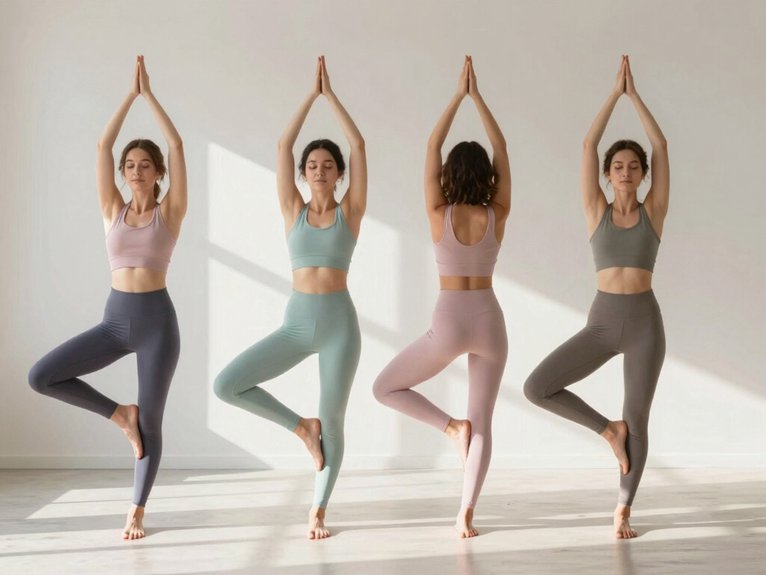
Ready to match your workouts to how you feel each week? You can ride the high-energy days—think sprint intervals or heavy lifts—during the follicular and ovulatory windows, and then switch to gentler moves like restorative yoga or brisk walks when cramps or fatigue show up during your period or late luteal days. Play with timing and intensity, listen to your body, and have fun experimenting to find the rhythm that makes you feel strong and comfortable!
Energy-based exercise
Think of your cycle like a changing playlist for your workouts — some days call for slow jams and stretches, and other days beg for full-on dance tracks! You’ll tune into energy levels and pick exercise types that match, so you feel seen and supported. Celebrate your body by adjusting intensity across phases—gentle moves during your period, ramping up in the follicular, going hard around ovulation, and easing into soothing activity in the luteal phase.
- Menstrual (Days 1–5): gentle yoga, light stretching to relieve cramps and fatigue.
- Follicular (Days 1–14): increase intensity, try weight training or running.
- Ovulatory (Days 14–17): high-energy workouts, feel strong!
- Luteal (Days 15–28): light exercise, walk and fiber-rich meals to reduce bloating.
Productivity Planning
Want to make your to-do list work with your body, not against it? Try matching tasks to each phase — gentle planning and reflection during your period, big-picture brainstorming in the follicular phase, confident meetings and networking at ovulation, and focused work or extra self-care in the luteal window — it’s like having a personal productivity cheat sheet! You’ll get more done with less stress, and hey, you might even enjoy scheduling again!
Working with the cycle
Because your hormones shift like clockwork each month, you can actually plan your to-do list around them and get more done with less stress—cool, right?! Embrace cycle syncing and productivity coordination to feel seen, supported, and efficient, because you’re part of a community figuring this out together. Try this simple planning approach:
- Menstrual: schedule low-energy tasks, rest, and gentle check-ins.
- Follicular: tackle big projects, brainstorm, and set bold goals.
- Ovulatory: plan meetings, networking, and teamwork—shine socially!
- Luteal: prioritize self-care, finish details, and reduce overload.
You’ll notice patterns, so tweak as you go, celebrate wins, and be kind to yourself on tougher days; we’ve all been there, and you’re doing great!
Why Cycle Awareness Matters
Want more steady energy and less surprise mood swings? Knowing your cycle helps you plan work, rest, and social life so things feel balanced and sustainable—like scheduling heavy tasks during your high-energy days and gentler ones when you need downtime. It’s uplifting to track patterns (and laugh when Aunt Flo shows up on cue), because that kind of awareness makes daily life smoother and healthier!
Balance and sustainability
When you tune into your cycle, you’ll notice patterns that make life a whole lot easier—seriously, it’s like getting a secret user manual for your body! You’ll learn sustainable practices that support hormonal balance, so you can plan work, rest, and social life in a way that feels steady and kind. It’s about small, real changes that add up—like swapping snacks, adjusting workouts, or booking quiet mornings when you need them most.
- Track moods and energy to schedule hard tasks when you’re sharp.
- Adjust meals—more iron during bleeding, fiber in the luteal phase.
- Spot irregularities early and talk to a clinician.
- Build habits that protect your body and community!
You’re not alone; this brings connection and calm.
Frequently Asked Questions
Can Menstrual Cycle Phases Affect Long-Term Fertility and Ovarian Reserve?
Like a slow river, you should know cycle phases can hint at ovarian health but don’t usually change ovarian reserve; fertility awareness helps you spot issues early, so you’ll feel supported seeking tests or care if needed.
Can Hormonal Birth Control Alter Natural Phase Lengths Permanently?
No, hormonal birth control usually doesn’t permanently change your natural phase lengths; its hormonal impacts temporarily suppress your cycle, but once you stop most people’s cycle variability returns, and you’ll likely regain your baseline rhythm.
How Do Perimenopause and Cycle Phases Interact?
A friend’s cycles shortened unpredictably: you’ll notice perimenopause symptoms as hormonal fluctuations interrupt regular follicular, ovulatory, and luteal patterns, so you’ll need support, shared experiences, and tailored care to navigate changes together.
Are There Reliable Wearable Devices to Track Phase Transitions?
Yes — you can find reliable wearable cycle tracking tools, though device accuracy varies; you’ll want one validated by studies, combines temperature and HRV data, and that you trust to support your rhythm and belonging in shared health decisions.
Can Cycle Phases Influence Medication Effectiveness or Dosing?
Yes — altering symptoms sometimes influence success: you’ll find medication timing matters because hormonal fluctuations can change absorption, metabolism, and side effects, so work together with clinicians who’ll personalize dosing and support your shared, safe care.