
You can build real progress by planting tiny habits and watering them daily—start with one micro action, like two minutes of journaling after your morning coffee, and stack it onto something you already do; celebrate small wins, tweak what’s messy, and be kind to yourself when you slip! Set device-check windows, clear a focused space, move a little each day, and track weekly wins so identity shifts from “trying” to “doing,” and stick around a bit longer to pick up practical routines that actually work.
Key Takeaways
- Adopt an identity-first approach: act like the person you want to become to make progress automatic.
- Pair new habits with existing routines using “After I [existing habit], I will [new habit].”
- Break goals into micro tasks and track daily wins in a journal or habit tracker.
- Create intentional mornings and short movement breaks to boost focus, mood, and consistency.
- Reduce digital distractions with scheduled check-ins, device-free zones, and weekly digital detoxes.
Understanding Personal Growth

You won’t get lasting change from quick fixes, so think long-term and stay curious about who you’re becoming! Celebrate small wins, build habits that stack over months and years, and keep in mind that tough moments often teach you more than instant successes. Stick with the process, enjoy the little progress (yes, even a tiny victory counts!), and you’ll see your goals come into clearer focus.
Long-term mindset over quick fixes
Although quick wins feel great in the moment, embracing a long-term mindset will get you farther and keep you steadier over time! You belong to a community of people who choose steady change, and that long term vision helps you weather setbacks and celebrate real progress. When you focus on sustainable growth, you build skills, resilience, and habits that stick, and you’ll see how tiny steps add up.
- Break goals into small, repeatable actions that create momentum over months, not just days.
- Track patterns and reflect weekly so you learn from setbacks and adjust with kindness.
- Celebrate consistency, not perfection, and lean on friends or groups for support and accountability!
Stick with it—your future self will thank you!
Habit Stacking Strategy
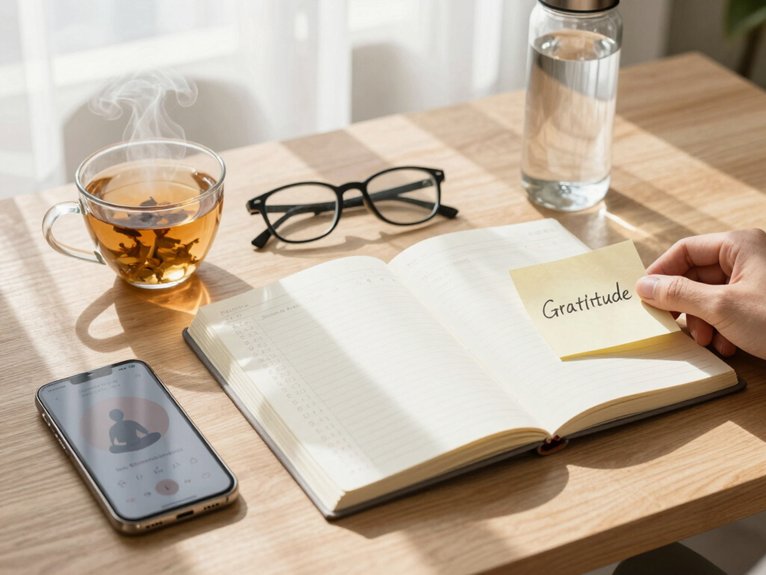
Want an easy way to stack new habits onto stuff you already do? Try pairing a small action, like doing two minutes of stretching or jotting one gratitude line, right after a reliable routine such as brushing your teeth or pouring your morning coffee—use the simple formula, “After I [existing habit], I will [new habit],” and you’ll be surprised how quickly it sticks! It’s fun, practical, and you’ll get those tiny wins stacking up into real progress before you know it.
Pairing new habits with routines
When mornings start with your usual coffee or brushing routine, it’s the perfect moment to tuck a new habit right into that flow—easy, natural, and kinda sneaky in the best way! You’ll love habit pairing because it links a fresh action to something you already do, using routine reinforcement to make the new behavior stick. Start small, like a quick stretch after brushing your teeth, and watch the cognitive pathways do the rest, making the habit feel automatic over time. Track it in a journal or habit tracker for extra cheer and proof you’re moving forward!
- Pick a steady trigger you do every day.
- Add a tiny, logical action right after it.
- Track progress and celebrate tiny wins!
Micro Goal Setting

You’ll love how tiny, daily wins stack up and keep you moving forward—finish one short task and you’re already building momentum! It’s surprising how a simple, specific micro goal, like writing 100 words or doing one set of push-ups, can boost your confidence and make consistency feel achievable, not overwhelming. Try smiling at your little victories and adjusting goals as you go, because those small celebrations are what create big, lasting change!
Small wins for consistency
Everyone loves a quick win, and micro goal setting is exactly that—tiny, doable steps that add up to big change! You’ll feel seen and supported as you chase small victories, because each day’s win proves you belong to the story you’re building. Start tiny, like one page of a book or five minutes of movement, and celebrate the momentum!
- Break big goals into bite-sized tasks that invite consistent action, reducing overwhelm and keeping you steady.
- Track daily micro goals so you can see progress, boost confidence, and laugh at how simple progress adds up!
- Review and tweak goals regularly, staying flexible and connected to what matters, so those small wins become lasting habits.
Daily Mental Reset

You can kick off your day with intention-based mornings that set the tone for everything that follows, and yes, a few focused minutes can make you feel like a superhero! Try a quick 5–10 minute breathing session, jot down one clear goal in a journal, and list three things you’re grateful for to sharpen focus and lift your mood. It’s simple, upbeat, and practical — your productivity and happiness will thank you (and maybe so will your to-do list).
Intention-based mornings
Ever wondered how a few quiet minutes each morning can flip your whole day from foggy to focused? You can use intention setting as a simple anchor, a friendly way to claim your day and feel like you belong to your own life! Try quick morning rituals—meditate for five minutes, jot one clear goal, say an affirmation—those tiny steps sharpen focus and cut stress. Research backs this: mornings with purpose boost clarity, resilience, and long-term satisfaction. You’ll notice more accountability and real progress when you repeat the ritual, like checking a compass. Ready to join others who thrive? Here are three easy starters to make it stick:
- Meditate for 5 minutes and set one intention.
- Journal one goal and one gratitude.
- Say a short affirmation aloud.
Digital Boundary Awareness

You can take charge of your screen time and feel better fast — try setting specific “check-in” times for social apps and watch how your mood shifts! Imagine phone-free dinners and mornings where you actually notice the sunrise, or using built-in screen trackers to spot little habits that steal your attention, then laugh at how dramatic the numbers can be. Get excited to try a short digital detox this week, you might be surprised how much clearer and calmer your day becomes!
Conscious screen use
How often do you notice your thumb reflexively scrolling before your brain even wakes up—yep, guilty as charged! You can take control with simple steps that honor belonging and growth, using screen time management and mindful technology to feel calmer and more connected. Try these quick wins to make screens work for you:
- Set device-free zones and times—no phones at dinner or before bed—to boost focus and sleep, and share the habit with friends or family for support.
- Use apps that track and limit screen time, then review patterns together, celebrate small wins, and adjust limits that match your goals.
- Do a weekly digital detox day, curate uplifting content, and replace scrolling with real conversations, walks, or hobbies you love!
Learning as a Lifestyle

You can build big skills in tiny bursts, like 15–20 minute focused sessions where you practice a single technique or answer one tricky problem—it’s amazing how much you’ll retain! Try reading a short chapter, doing a coding kata, or listening to a quick podcast episode, then take a minute to jot down what stuck; these bite-sized habits keep learning fun and make progress feel real. Give it a shot—short, steady practice beats marathon cramming and keeps your brain sharp and motivated!
Short focused skill sessions
A few focused minutes can make a huge difference when you’re trying to learn something new, so grab 20–30 and watch the magic happen! You’ll build real skill retention with focused practice, and you’re not alone — we all grow this way. Try short daily sessions, they stack up fast and feel doable, like tiny wins that belong to your story.
- Use a 25-minute Pomodoro, then take a 5-minute break to reset and smile.
- Mix videos, hands-on practice, and quick chats with a buddy to keep things fresh.
- Schedule sessions into your day, treat them like coffee dates with progress.
Stick with it, enjoy the process, and celebrate small gains — they add up amazingly!
Movement Integration

You can boost your day with gentle daily activity, like short walks, easy stretches at your desk, or light yoga between tasks — it wakes you up and keeps your body humming! Try swapping a long sit for a standing chat or a brief stroll after lunch, and you’ll notice your mood and focus perk up fast. Give yourself permission to move a little, often, and enjoy the small wins (no gym required!).
Gentle daily activity
Since small changes add up fast, try sneaking gentle movement into your day—think brisk walks while on calls, a few stretches between emails, or tending the garden as a mini workout—and notice how much better you feel! You belong to a group that cares about steady progress, and gentle exercise and mindful movement make that easy and joyful. Just 30 minutes a day can cut disease risk, lift your mood, and boost focus, and small choices beat big all-or-nothing plans every time!
- Stand or pace during calls to fight sitting and improve posture.
- Do short stretch breaks or a mini-yoga flow to release tension.
- Garden, vacuum, or walk the dog for real, countable movement!
Try it today — you’ve got this!
Environment Optimization

You can make your space work for you by setting up clear zones for different tasks—work at a tidy desk, read in a cozy corner, and keep your workout gear in plain sight so you don’t forget it. It’s amazing how a few small changes, like adding a plant for a mood boost or using noise-canceling headphones to shut out distractions, can nudge you into better habits without much effort! Try arranging your room with simple cues and watch how your routines start sticking, almost like magic (but backed by science).
Spaces that support habits
When your space is set up to help you, habits sneak in almost smoothly — imagine a tidy desk that makes starting work feel as natural as sitting down for coffee, or workout shoes by the door that whisper, “Let’s go!” You’ll notice that clearing clutter cuts distractions (studies say it can boost thinking by up to 30%), and that giving each activity its own spot — a quiet reading nook, a bright desk, a snack shelf with only healthy options — makes it easier to do the right thing repeatedly. Use space design and workspace aesthetics to create organized zones, habit triggers, and environmental cues that nudge you toward progress, and add nature elements for calm, productivity boosts, and joy!
- Create focused areas with intentional layouts.
- Place habit triggers where you’ll see them.
- Keep clutter reduction rules, like “one in, one out.”
Self-Talk Awareness

Check in with your internal dialogue — notice that tiny voice that comments on everything, from “I can’t” to “I got this!” and see how it shapes your day. You can catch patterns by pausing, writing down a few recurring thoughts, or even laughing at how dramatic your inner critic gets, and then swapping a negative line for a hopeful one. Try a quick journal prompt or a one-minute mindfulness check each morning, and you’ll start spotting and changing unhelpful self-talk like a pro!
Internal dialogue check
How often do you notice the little voice in your head narrating your day, and what if you could turn that running commentary into your biggest cheerleader? You can use self talk techniques and mindfulness practices to catch negative loops, then try mental restructuring to flip them. Thought journaling helps you spot patterns, and belief challenging gives you strength to rewrite what holds you back. Use positive affirmations and self compassion strategies to soothe doubts, and practice awareness exercises for emotional regulation—small steps add up! You belong in this process, we all mess up and grow together, so keep it light and curious. Try these quick checks to start changing your internal dialogue now:
- Notice and name the thought.
- Journal and question the belief.
- Swap in a kind affirmation.
Weekly Reflection Practice

Set aside a little time each week to adjust and realign your goals and habits — you’ll be surprised how a quick review can steer your whole week in a better direction! Ask specific questions like “What worked, what didn’t, and what will I change?” and jot down wins, stumbles, and one tiny tweak to try next week, with a grateful note thrown in for good measure. It’s simple, satisfying, and kind of fun to watch small course corrections add up, so give it a shot!
Adjust and realign
When you carve out a little time each week to reflect, amazing things happen—you start spotting patterns in your choices, celebrating small wins, and catching the sneaky habits that slow you down. Adjust and realign by using reflection benefits and simple progress tracking to steer your goals back on course. Keep a journal, ask “What went well?” and “What can I improve?” and you’ll see clear clues for change. You’re not doing this alone — this practice builds belonging, showing you how you fit in your own story and with others.
- Note wins and tweaks, then set one tiny action for next week.
- Spot repeating roadblocks and brainstorm friendly fixes.
- Review your journal to celebrate growth and reset direction.
Identity-Based Change

Want to become the kind of person who sticks to goals? Start by seeing yourself as that person—say, a runner who loves morning miles or a reader who grabs a book before bed—and you’ll find your actions start following your identity, not the other way around! It’s exciting, a little strange at first, but once you embrace that identity, habits feel easier and progress becomes way more natural.
Become before achieving
Because who you believe you are shapes what you do, try acting like the person you want to become and watch things change—it’s that simple and kind of exciting! You’ll notice identity coordination matters more than rigid goals, because when you see yourself differently, your choices follow. Think of it as self image transformation: small habits stack, you feel belonging to a new version of you, and motivation grows. Try these friendly, doable steps!
- Start tiny: pick one habit that fits your new identity, like prepping a healthy snack each evening.
- Name it: say “I’m the kind of person who…” and mean it, to reinforce the loop.
- Celebrate small wins: they’re proof you belong in this new story!
Frequently Asked Questions
How Do I Track Long-Term Progress Visually?
Use progress charts and visual reminders to map milestones, celebrate small wins, and compare trends over time; you’ll stick with routines when charts feel communal, affirm group identity, and keep momentum visible so you and others feel supported.
Can I Share Goals With Others Without Losing Motivation?
Yes — studies show 70% of people stay accountable when they share goals; you can use goal sharing to boost motivation impact by choosing supportive peers, setting boundaries, celebrating together, and keeping private milestones for personal confidence and belonging.
What to Do During a Major Life Setback?
You regroup, accept feelings, and lean on your community; you’ll practice resilience building through small routines, use coping strategies like grounding and journaling, set realistic goals, and ask for support so you don’t carry it alone.
How to Adjust Routines for Chronic Illness?
You’ll modify routines by prioritizing rest and flexible tasks; use adjustable scheduling and energy management. For example, Maya swapped midday errands for low-energy creative work. You’ll stay connected, accept help, and protect your rhythms.
When Should I Consult a Professional Coach?
You should consult a professional coach when you’re stuck, overwhelmed, or craving structure; when to consult matters because coaches offer clarity, accountability, and tailored strategies—benefits of coaching that help you belong, grow, and keep progress steady.