You can finish beginner sewing projects fast with a tote bag, envelope pillow cover, scrunchie, drawstring bag, fabric bookmarks, apron, headband, mini coin pouch, or DIY fabric basket. I’ve stitched several with 100% cotton, a zipper foot, and basic seams, and the mini coin pouch felt like a tiny victory lap. Try interfacing for structure, then topstitch and press everything flat. If you keep going, I’ve got the best step-by-step picks next.
Key Takeaways
- Beginner-friendly quick wins include scrunchies, fabric bookmarks, and envelope pillow covers, often finished in 10–40 minutes.
- Simple projects like tote bags, drawstring bags, and cloth napkins use basic straight stitching and minimal shaping.
- Small zip projects such as mini coin pouches teach zipper skills fast and can be completed in about 20–30 minutes.
- Practical home items like placemats, apron, pillow covers, and fabric baskets add usefulness while building sewing confidence.
- Cotton fabric, interfacing, and basic notions like elastic and zippers are enough for most easy beginner sewing projects.
Simple Tote Bag
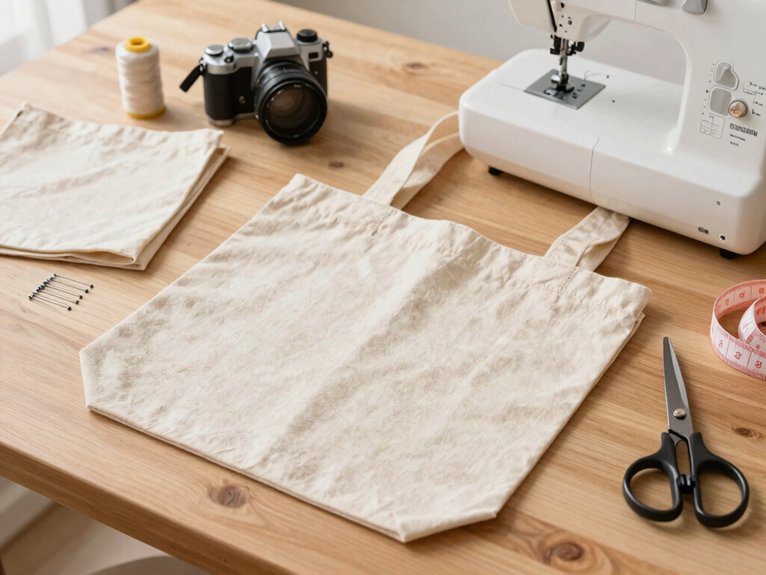
One of the easiest wins for a brand-new sewist is a simple tote bag, and I love it because you can make something useful without wrestling with a million tiny pieces.
You’ll feel right at home cutting two body pieces and two straps from one yard of cotton. Sew with a 1/2″ seam allowance, finish the seams, and topstitch for strength. For strap reinforcing, stitch a 1″ x 1″ box with an X at each end. Then box the corners for shape.
I’ve made these with my family, and they’ve carried groceries like champs.
Envelope Pillow Cover
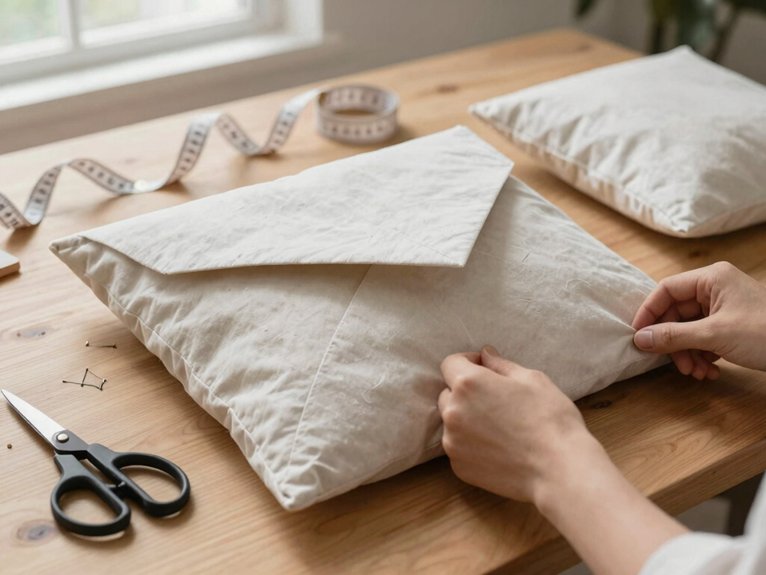
For your envelope pillow cover, you can keep it simple and use a straight stitch only—no frilly tricks, no zipper drama, just clean sewing.
I’ve made these with 100% cotton on my own machine, and when you sew the front and back pieces with 1/2-inch seams, press them flat, and topstitch the edges, the cover looks crisp and sturdy.
My family loves how fast these go together, and honestly, it’s hard to beat a project that can turn into a gift in under an hour.
Straight stitch only
An envelope pillow cover is my favorite “I can actually make this” sewing win because it uses only straight seams, and that’s it—no zipper tantrums, no button hunting, no elaborate tricks. You’ll cut one front and two back pieces, press the hems, and stitch with a 2.5–3 mm straight stitch. I keep my Singer set for calm thread tension, and my hand guided stitching stays neat.
| Cut | Feeling |
|---|---|
| 18×18 front | proud |
| 2 back pieces | relieved |
| cotton fabric | cozy |
| pins, iron | ready |
| 20–40 minutes | wow |
My family loves the finished cover.
Scrunchie Hair Tie
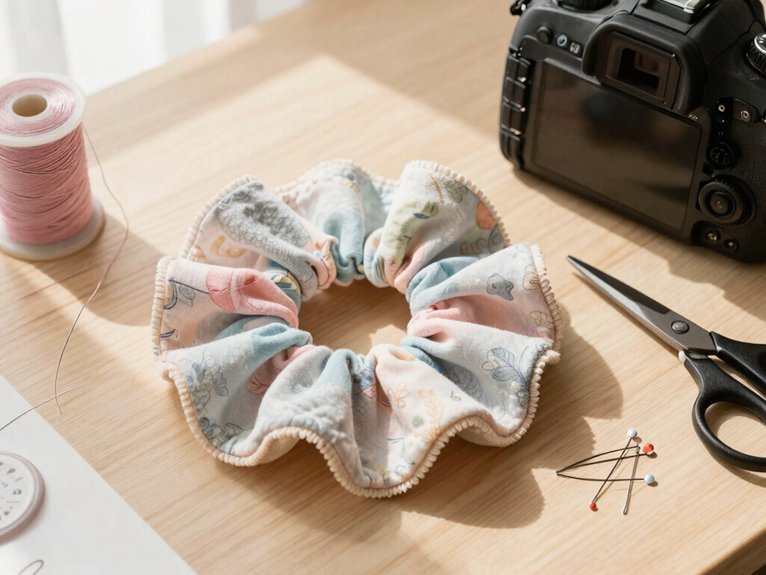
I love making a scrunchie hair tie because it’s quick, useful, and way kinder to your hair than a plain elastic that seems to grab on for dear life.
You can use hair friendly fabrics like cotton, silk, or satin, then cut a 3″–4″ strip about 18″–22″ long.
I fold it right sides together, sew the long edge, and turn it out before adding 6″–10″ of elastic.
My sister swears by these elastic alternatives.
Finish by stitching the ends closed.
In 10–20 minutes, you’ve got a 2″–4″ scrunchie that feels like a little win.
Drawstring Bag
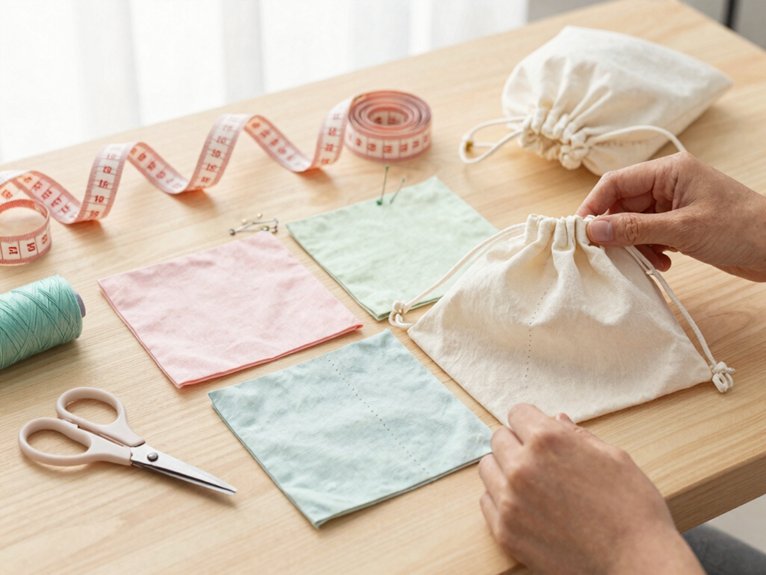
A drawstring bag is one of those projects that feels simple but still makes you look very capable, which is honestly my favorite kind of sewing win.
I like making mine from one rectangle of 100% cotton, about 18″ x 14″ for a medium size. Fold it in half, stitch the sides with a 1/4″ seam, backstitch, then press open.
My family loves these for snacks, toys, and tiny “don’t lose this” items.
Fold the top down twice to form the cord channel, topstitch, and leave a gap. Feed a cotton drawstring through, add knots, and you’re set.
Fabric Bookmarks
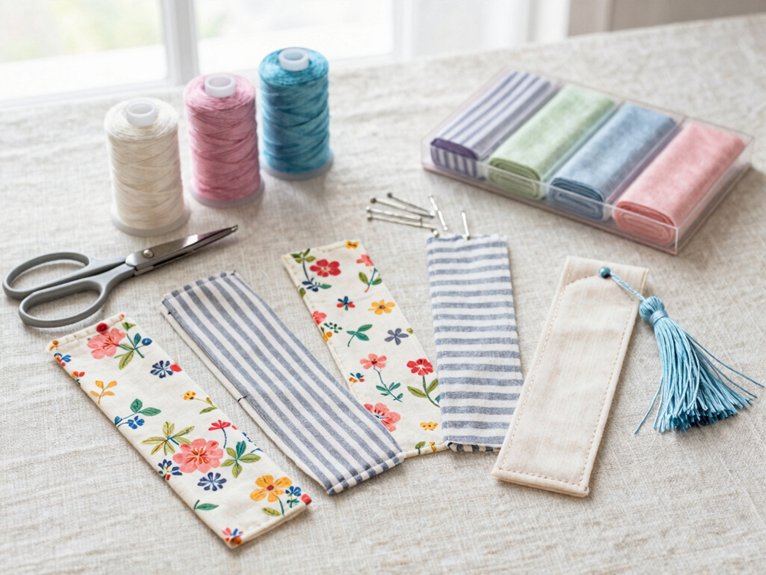
You can turn those tiny fabric scraps from your sewing bin into cute bookmarks that actually get used, which feels pretty satisfying.
I like grabbing a 2.5″ x 7″ cotton piece, adding a little interfacing, and stitching it into something flat, sturdy, and way nicer than a random receipt folded in half.
If you’ve got ribbon bits, embroidery thread, or a scrap patchwork front, you can make each one look special without wasting a single inch.
Great for scraps
Some of my favorite beginner sewing wins come from tiny fabric scraps, and fabric bookmarks are one of the best examples. You can cut 2–4 scraps into 2.5″ x 8–9″ rectangles, then stitch them into something useful.
I love these for scrap quilting and upcycled notions because nothing feels wasted. Sew two pieces right sides together with a 1/4″ seam, turn, press, and topstitch.
Slip in interfacing or thin batting for structure. Add ribbon tassels, corner triangles, or tiny applique shapes.
In my house, they’re a 15-minute gift and a proud little brag.
Reversible Placemats
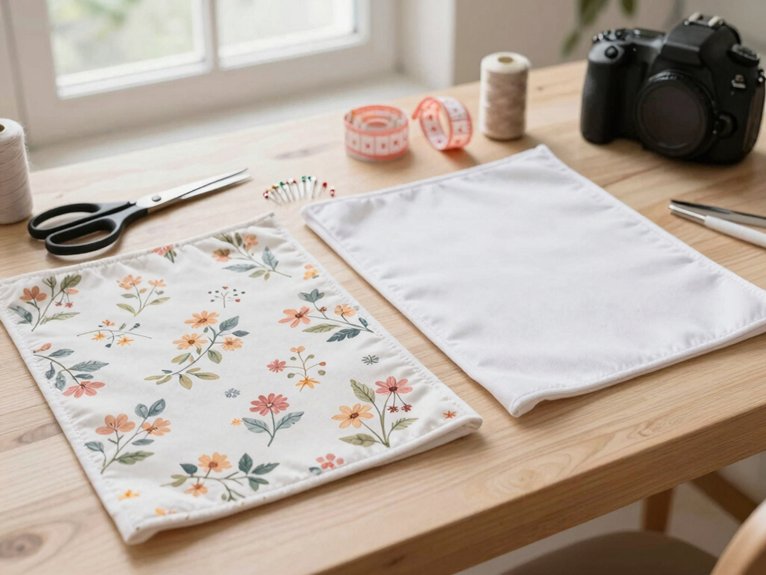
Reversible placemats are one of those easy sewing projects that can really pull a table together, and I love how they let me flip the look whenever I want.
You’ll feel right at home making them with two 12″ x 18″ cotton pieces and batting. I like mixing color combinations for both sides, because my family can never agree on one mood.
Sew right sides together, leave a small gap, turn, press, and topstitch. Use a 1/4″ seam, medium-weight cotton batting, and check care instructions before washing.
With a basic machine, you can finish one in 20–40 minutes.
Basic Zipper Pouch
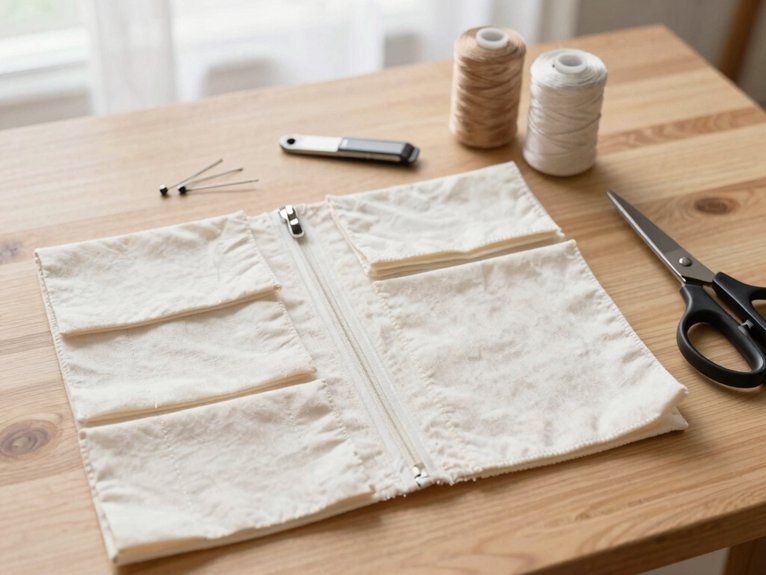
A basic zipper pouch really pulls things together, and it’s one of my favorite beginner projects because it teaches straight seams and how to tame a zipper without losing your mind.
I use medium-weight cotton, a 7–9 inch zipper, and matching thread.
Cut two outer rectangles and two lining pieces; think about fabric patterning before you start, because I once mixed up my prints and my kid still teases me.
Sew the zipper between outer and lining with a zipper foot, then repeat.
Press seams open, trim corners, turn, and topstitch near the zipper for a clean finish.
Cloth Napkins
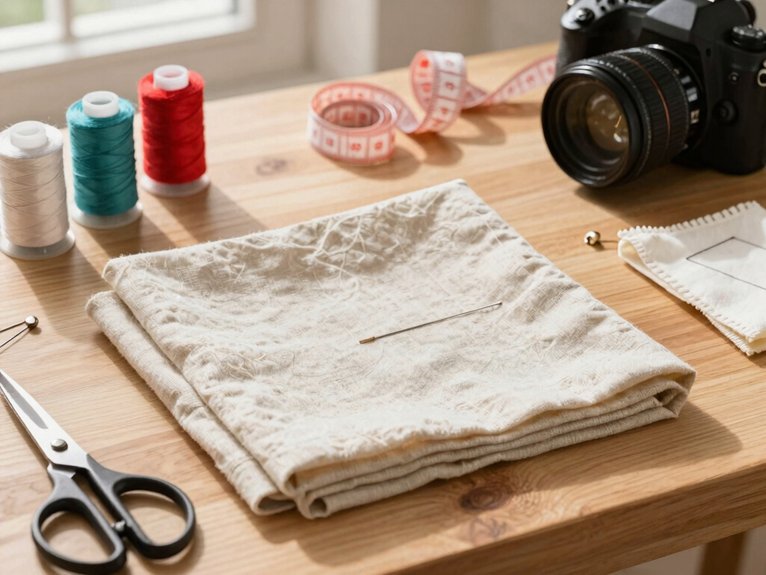
Cloth napkins make a lovely next project after a zipper pouch, because they’re simple, useful, and they let you practice neat corners without any fussy hardware. You can pick cotton or linen blends; they press beautifully, last through many washes, and make your table feel cared for.
I like cutting mine 16 to 18 inches square for everyday meals, then hemming them 1/4 to 1/2 inch. Prewash first, since cotton can shrink. For table etiquette, a rolled hem or mitered corner looks polished, not picky.
My family actually cheers for these—almost. Their laundry basket does not.
Elastic Waist Skirt
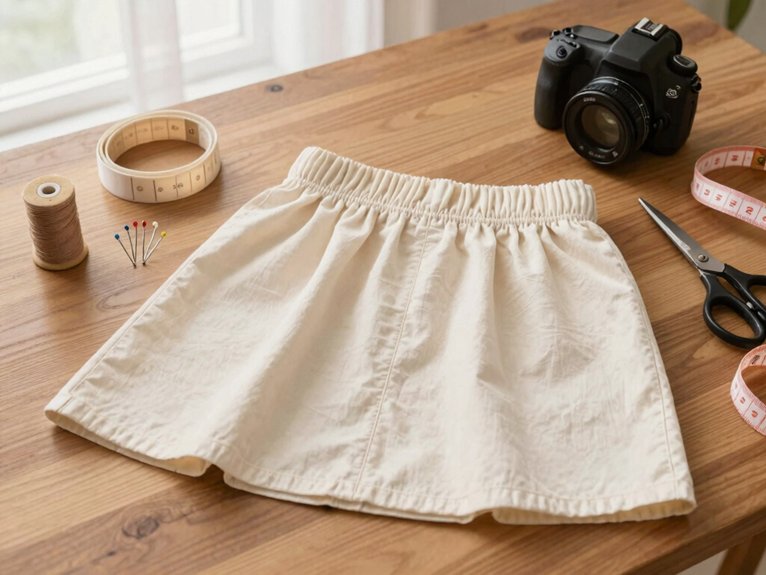
You can make an elastic waist skirt without touching a zipper, which is a huge win when you want a quick, beginner-friendly project.
I’ve seen this save me and my family so much time, because you just sew a simple cotton or cotton-blend skirt, add a casing, and slide in elastic with a safety pin like a tiny sewing magic trick.
It’s comfy, neat, and honestly a little satisfying—no zipper tantrums, no drama.
No zipper needed
Skip the zipper drama and sew an elastic waist skirt instead—it’s one of my favorite beginner projects because it feels friendly from the start. When you’re gathering measurements, you can choose elastic alternatives and still keep the fit comfy. I like medium-weight cotton from Joann or a cotton blend; it behaves. Here’s the quick plan:
| Step | Why it helps | My tip |
|---|---|---|
| Cut panel | Easy shape | Add hem and casing |
| Sew seam | Fast finish | Use straight stitches |
| Insert elastic | No fuss | Safety pin works |
I cut 1″ elastic, join it, then press, topstitch, and smile.
Simple Apron
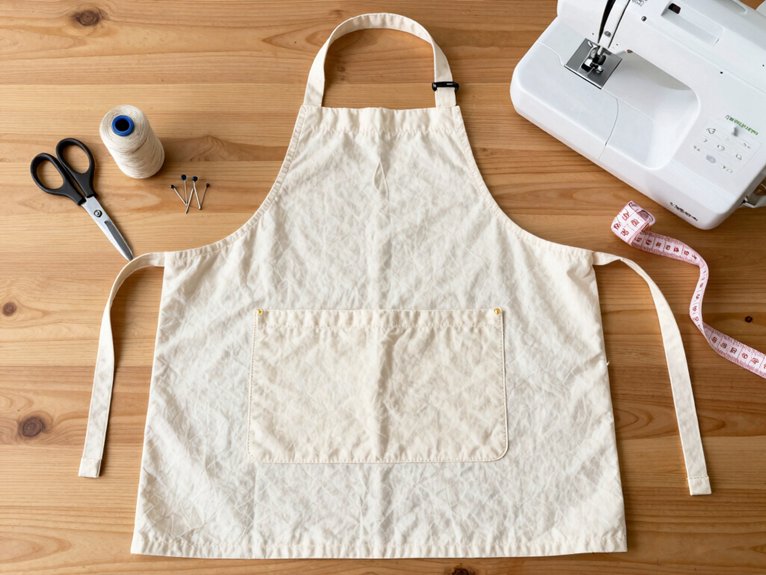
A simple apron is one of those beginner sewing projects that feels useful right away, which is honestly a nice little win.
I’ve made one from a yard of medium-weight cotton, and it came together fast with just matching thread and straight seams. You can cut it to about 26 to 30 inches long, then add a 7 by 8 pocket, waist ties, and a 3-inch top casing.
I press every seam, because wrinkled hems are rude.
If you like an adjustable bib, try a linen blend for a softer feel. My family actually reaches for mine.
Fabric Headband
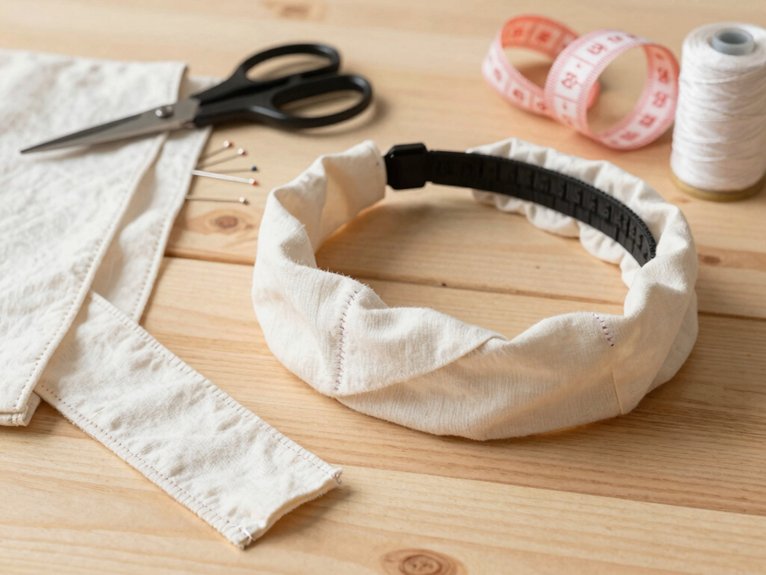
Headbands are one of those tiny sewing projects that feel instantly satisfying, and I’m not being dramatic when I say they can rescue a bad hair day in about 20 minutes. I make mine with 100% cotton, and you can too.
- Cut 3″–4″ by 20″–22″ for adults.
- Add no slip tips with a 1″ elastic strip at the back.
- Try knotted styles for a cute twist.
Sew right sides together, turn, press, and topstitch. I’ve done this with my kid beside me, and it feels like a little club for makers. Use matching thread, a hot iron, and basic tools.
Mini Coin Pouch
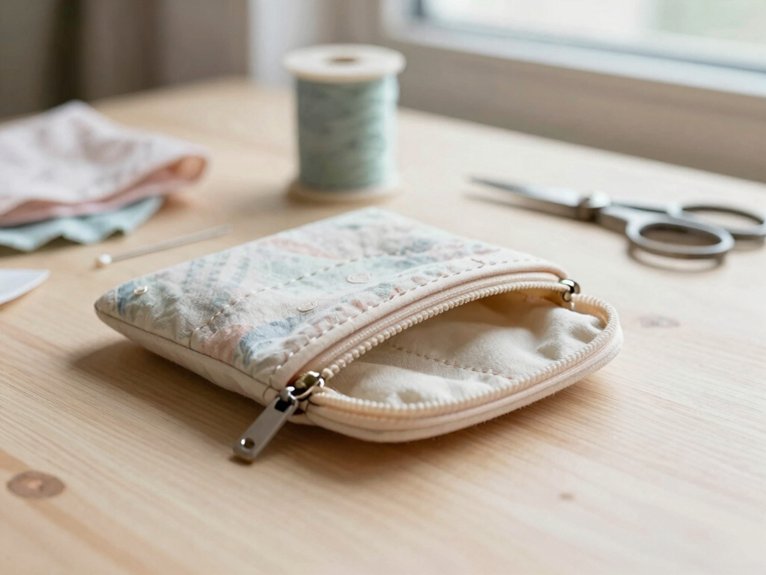
I love a mini coin pouch because you can sew one fast, and it’s a great first win when you’re learning.
You’ll use two small cotton rectangles, a short zipper, and a few straight seams, so you can finish it in about 20 to 30 minutes without turning your sewing room into a disaster zone.
In my house, these tiny pouches end up holding coins, earbuds, and the random stuff my family always “just needs for later,” which is essentially a tiny victory in fabric form.
Quick beginner project
Whip up a mini coin pouch, and you’ll have a tiny project that feels satisfying fast. I love how you can use a small scrap of cotton or canvas, then practice your zipper technique without much stress.
I’ve made these with my family at the table, and we always laugh when the pouch looks bigger than the fabric pile.
- Cut a 6×6 inch square.
- Sew in a 4–5 inch zipper.
- Add interfacing, then topstitch.
You’ll finish in 15–30 minutes, press the seams flat, and turn it out through the zipper opening.
It’s a friendly win for your sewing circle.
DIY Fabric Basket
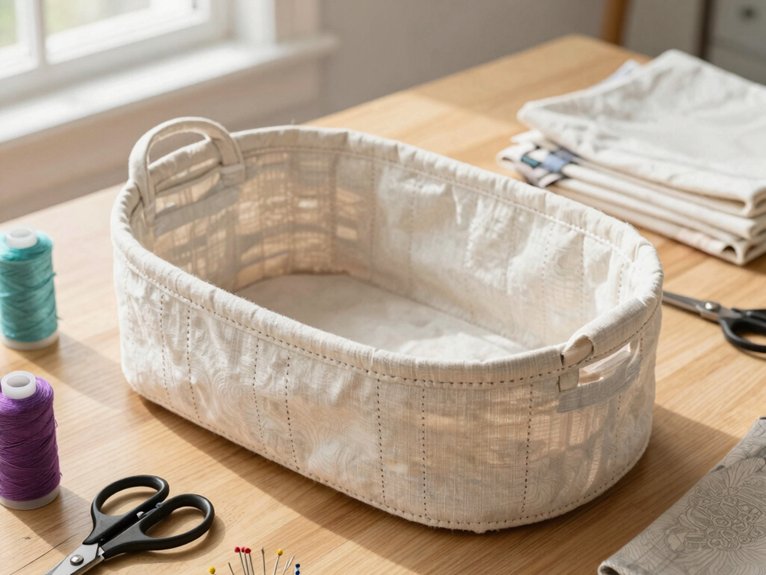
A DIY fabric basket is a quick project that can clean up your sewing space in a really satisfying way, and I’ve made a few of these when my family’s craft table started looking like a small fabric tornado hit it.
You’ll want medium-weight cotton or canvas, plus a bit of fusible fleece for fabric storage.
Cut two squares, sew them right sides together, and make corner reinforcement by folding and stitching the tips.
I like adding topstitching, since it looks neat and helps the rim hold shape.
Mine take about 45 minutes, and they always feel like tiny wins.
Frequently Asked Questions
What Is the Easiest Thing to Sew as a Beginner?
The easiest thing you can sew is a plain pillowcase—it’s a gentle doorway into making, and you’ll feel like you’re joining a circle of creators. You can also try fabric bookmarks for quick practice.
What Can I Sew When I’m Bored?
You can sew fabric coasters, a zipper pouch, or hair bows when you’re bored. Try mindful mending on old shirts, or make reusable sponges. Add fabric journaling touches, and you’ll feel creative, cozy, and connected.
What Can I Sew With 1 Yard?
You can sew pillowcases, tote bags, zipper pouches, produce bags, coasters, or a skirt with 1 yard. You’ll feel crafty and part of a makers’ circle, and you can even make cute aprons.
What Simple Sewing Projects Can I Do With Scraps?
You can sew fabric bookmarks, patch coasters, reusable produce bags, or scrappy zipper pouches from scraps. About 15 minutes can save fabric and build skills, and you’ll join a welcoming community of makers.