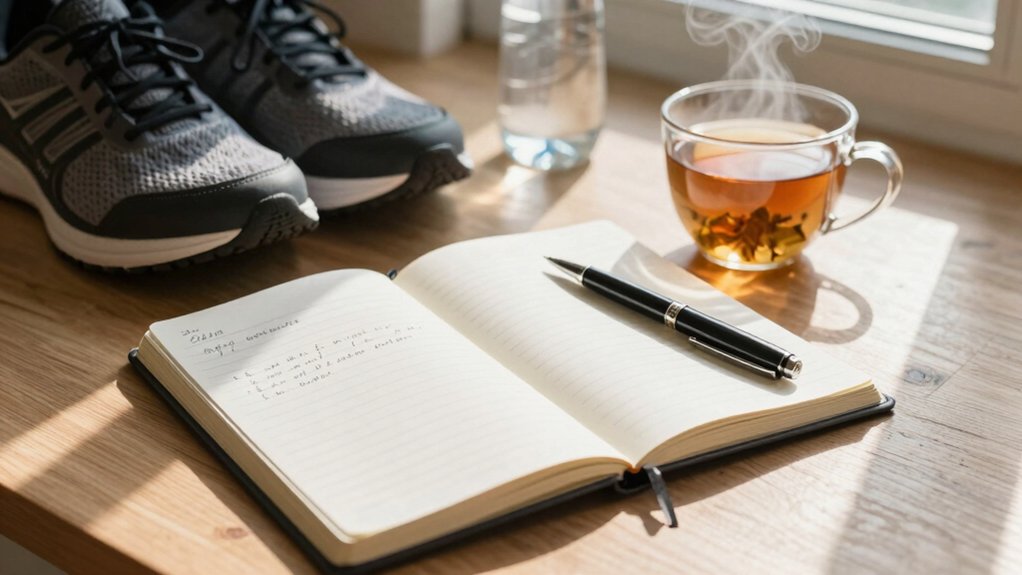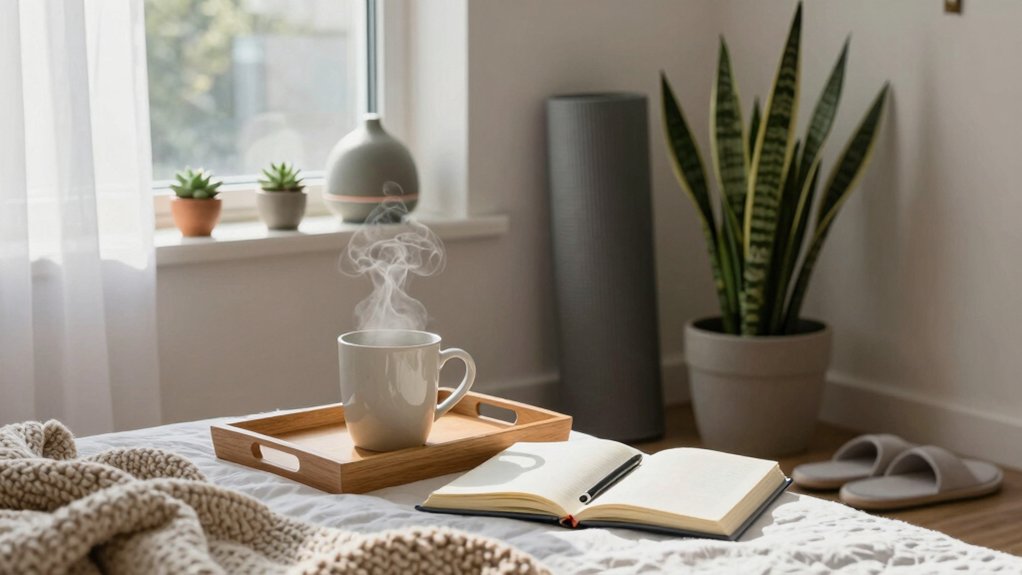
You can build lasting healthy habits by choosing small, identity-shaping moves—like a 20-minute walk, colorful meals with veggies and whole grains, and steady sleep routines—that feel doable and stick! Celebrate tiny wins, plan one weekly meal prep session, set water reminders, and try short breathing breaks when stress hits; these gentle changes add up. Be kind to yourself, tweak plans, and keep it social for motivation. Stick with this approach and you’ll find useful tips ahead.
Key Takeaways
- Make healthy choices part of your identity by linking actions to who you want to be, not temporary goals.
- Build small, consistent habits (walks, water, veggies) that compound into lasting health improvements.
- Plan your week: schedule meals, workouts, sleep, and downtime to reduce friction and maintain balance.
- Prioritize sleep, stress tools, and self-compassion to support motivation and emotional resilience.
- Use social support, enjoyable movement, and seasonal whole foods to make healthy living sustainable and pleasurable.
Identity-Based Health Mindset

You’re not chasing the latest flavor-of-the-month program, you’re building a life where healthy choices fit who you are—think morning walks, whole-food meals, and sleep that actually sticks! When you start seeing “being healthy” as part of your identity, those little habits stop feeling like chores and more like natural parts of your day, which makes them easier to keep up even when life gets messy. Embrace it with a wink and a grin—your future self will thank you for choosing lifestyle over trends!
Lifestyle over trends
If you want changes to stick, think of health as who you are, not just what you try for a month—because identity beats fad every time! You’ll dodge trendy diets and instead choose lifestyle choices that match your values, so small wins add up and feel meaningful. You’re part of a group who cares about daily habits, real food, movement, and friends who cheer you on—how good is that? Embrace habits that show who you are, not what’s viral.
- Choose whole foods and simple meals that feel like “you” every day.
- Move in ways you enjoy, whether dancing, walking, or lifting.
- Build rituals with loved ones that support your health.
- Focus on being healthier, not a quick fix!
Small Habit Anchors
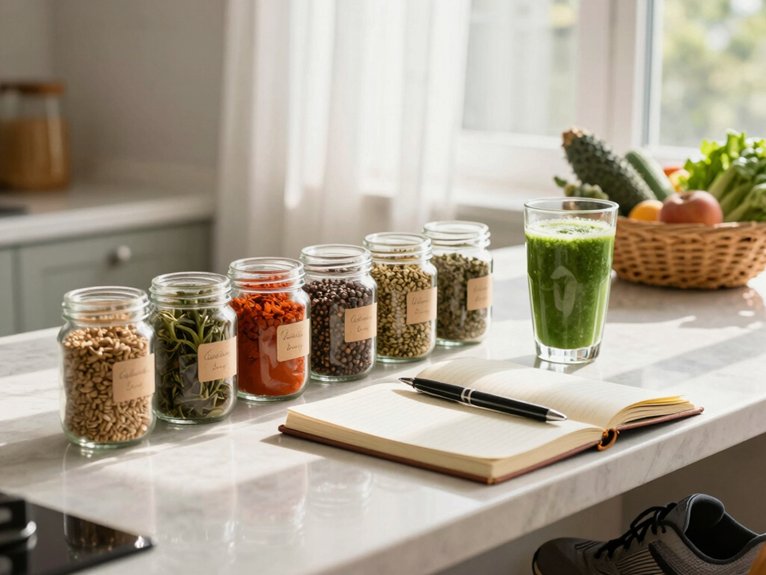
You can make healthy choices almost without thinking by anchoring tiny actions to things you already do, like doing calf raises during TV commercials or drinking a glass of water the moment you wake up—easy consistency wins! It’s fun to watch small wins stack up, and habit-tracking apps or a sticky note on the fridge can nudge you gently when you’d otherwise forget. Try one tiny anchor today, stick with it for a week, and celebrate the surprise of how simple habits add up to real change!
Easy consistency
When small changes are tucked into things you already do, they stick like glue — and yes, that means you can squeeze healthy habits into your day without turning life upside down! You’ll love how habit stacking and routine integration let you add 21 minutes of movement after brushing your teeth, or tuck a fruit serving into your morning coffee break, creating easy consistency that feels natural. Track progress, celebrate small wins, and notice how those tiny anchors build belonging with others doing the same — you’re not alone!
- Do stretches after brushing teeth to boost flexibility and calm.
- Walk 21 minutes daily, split if needed, to spark motivation.
- Add one fruit or veggie at each meal to hit five servings.
- Log wins daily to reinforce the habit.
Daily Movement

You can boost your day with gentle activity that feels easy and fun, like a brisk 10-minute walk, marching in place during TV ads, or taking the stairs with a smile! These small moves add up to big health wins—better heart health, clearer thinking, and stronger muscles—without needing a gym membership or a big time commitment. So start light, track your steps if that motivates you, and enjoy the little victories as you build more movement into your routine!
Gentle activity
Even if mornings feel rushed, taking just a 30-minute walk can brighten your whole day and give your heart a happy boost! You’ll feel the gentle movement benefits right away, and walking routines with friends or neighbors make it fun and social. Short 5–10 minute strolls between tasks lift your mood, reduce stress, and fit into busy lives. Low-impact activities like stretching or easy yoga keep you flexible, so daily chores and gardening feel easier, not like a chore. Track steps with a pedometer to aim for 7,000–10,000 per day, and celebrate small wins with your group!
- Walk 30 minutes with a buddy for shared joy.
- Take short walking breaks all day.
- Do gentle yoga to stay limber.
- Track steps, celebrate progress!
Hydration Awareness
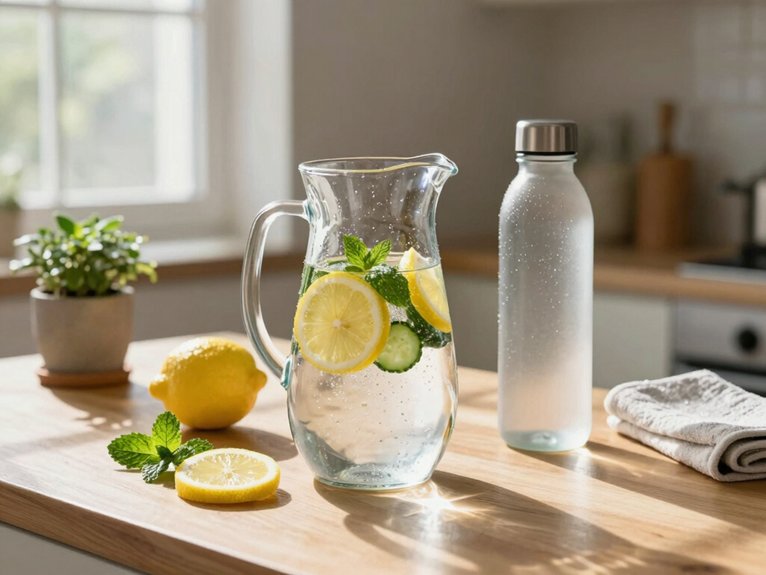
Keep a colorful water bottle on your desk or set fun phone reminders so you’ll actually remember to sip throughout the day — it’s an easy trick that works wonders! You’ll feel more awake, steady, and ready for action when you pair little visual nudges with tasty hydrating snacks like cucumber or orange slices. Try a sticky note by your lunch spot or a cheerful alarm that says “drink!” and watch how those small cues help you hit your water goals.
Visual reminders
When life gets busy, a bright water bottle on your desk or a cheerful phone reminder can be the little nudge that keeps you sipping all day—seriously, they work like tiny hydration cheerleaders! You belong to a group that cares, and hydration reminders and visual cues help you stay on track, since water makes up about 60% of you and fuels temperature control, nutrient transport, and lively thinking. Dehydration dulls mood and performance fast, so try these friendly prompts to boost intake and even curb appetite before meals!
- Keep a colorful bottle where you work, visible and inviting.
- Set hourly phone alerts with playful tones.
- Use an app that shows progress bars and cheers.
- Place a glass by your bed to start strong!
Balanced Nutrition Approach
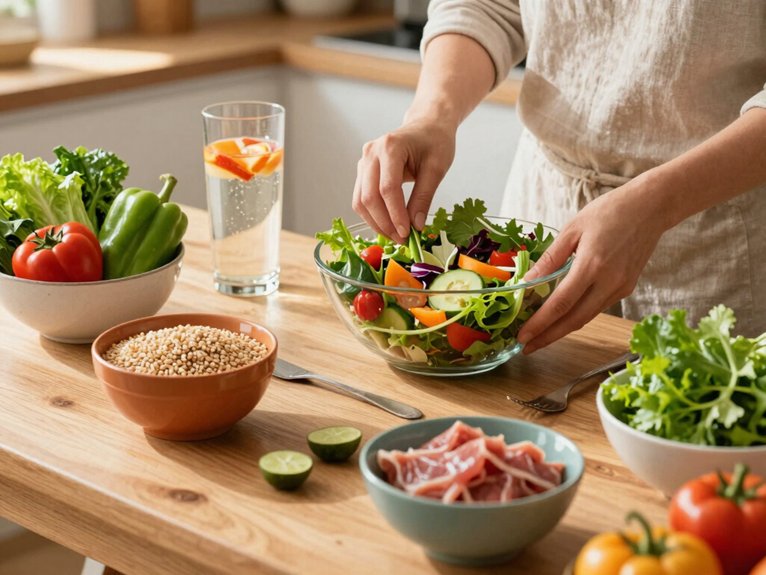
You can make eating well a long-term win by choosing foods that are good for you and the planet—think colorful fruits and veggies, whole grains, lean proteins, and healthy fats, and try buying local or seasonal when you can! Start small with habits like planning meals, controlling portions, and aiming for five servings of fruits and vegetables a day, and you’ll be surprised how much better you feel (and your grocery bill might thank you!). Have fun with it, mix flavors, try a new grain or veggie each week, and remember sustainable eating doesn’t mean perfection, it just means thoughtful choices that add up!
Sustainable eating
Since eating well doesn’t have to be boring or strict, think of a balanced approach as your secret superpower for feeling great every day—yay, food that helps you thrive! You can choose plant based options alongside lean proteins, savor seasonal produce, and still feel like part of a caring food community. Aim for five servings of fruits and veggies, try whole grains like brown rice, and include beans or fish for protein—simple swaps make a big difference. Mindful eating helps you notice hunger and enjoy each bite, which keeps portions sane and stress low.
- Prioritize variety: fruits, veggies, whole grains, healthy fats.
- Use seasonal produce for flavor and savings.
- Pick plant based options often.
- Practice mindful eating daily.
Sleep as a Priority

You’re doing great, so give your body the real MVP treatment by making sleep a recovery focus — aim for seven to eight hours so your muscles repair, your brain files the day’s wins, and your mood stays steady! Make a cozy, cool, dark room your nightly ritual, turn off screens an hour before bed, and notice how much sharper and more energized you feel the next day — it’s like hitting a reset button. Trust me, prioritizing sleep is an easy, influential step that helps everything else in your healthy routine fall into place!
Recovery focus
Even if life gets hectic, make sleep a non-negotiable part of your routine—trust me, your brain and body will thank you! You deserve rest, and prioritizing sleep hygiene is a significant recovery strategy that keeps you feeling like part of a caring crew. Aim for seven to eight hours, stick to a consistent bedtime, and watch your mood and focus improve — wow, what a difference!
- Dim lights, cool the room, and silence noise to create a sleep-conducive space that feels cozy.
- Wind down with deep breathing or a short meditation, letting stress melt away.
- Keep a steady schedule, even on weekends, to regulate your internal clock.
- Notice gains: better energy, lowered health risks, and sharper thinking!
Stress Management Tools
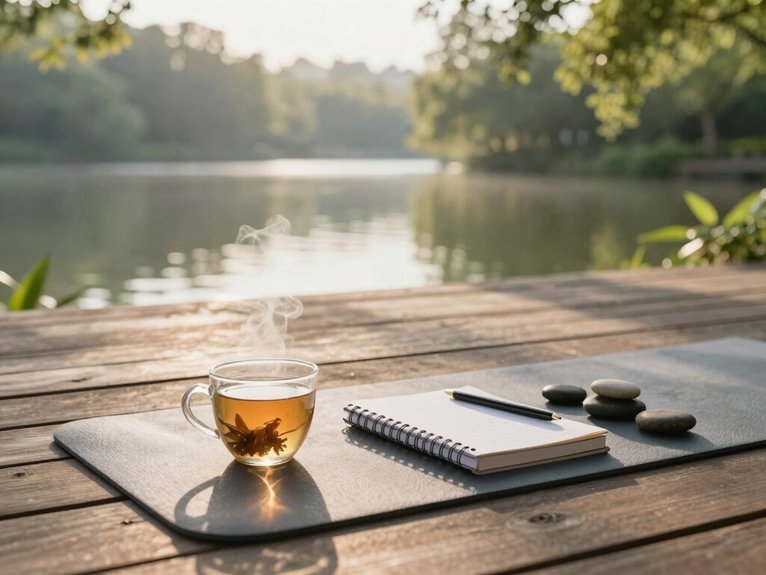
You’ve probably felt your mood swing like a stormy weather report, but you can learn simple emotional regulation tools that calm things down fast! Try grounding breath exercises, naming feelings in a journal, or doing a quick walk to let tension go—these tricks give you control and help you respond instead of react. It’s uplifting, it really works, and with small, consistent habits you’ll notice clearer thinking and steadier emotions, so give one a try today!
Emotional regulation
Because stress doesn’t have to run your day, learning to spot and steer your emotions can feel like getting the keys back to your life — and yes, it’s easier than you think! You build emotional awareness by noticing feelings and identifying stress triggers, and that self-knowledge connects you to others who get it. Try simple tools that actually work, and celebrate small wins!
- Deep breathing and mindfulness meditation calm your body and sharpen focus, so you respond instead of react.
- Progressive muscle relaxation and regular exercise release tension and endorphins, lifting mood fast.
- Keep a journal to track emotions and stress triggers, spotting patterns and planning coping steps.
- Prioritize consistent sleep; good rest improves thinking and emotional control, making challenges easier to meet!
Weekly Health Planning
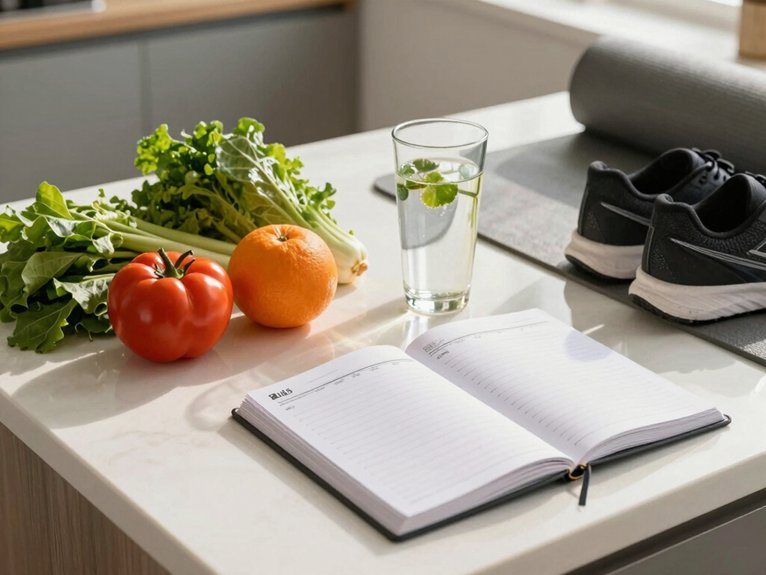
Want to feel more in control of your week and your health? Try intentional preparation — schedule workouts, block time for meal prep, and pencil in hobbies and relaxation so you’ll actually stick to it! It’s surprisingly satisfying (and a little fun) to see your week formed by small wins, like 30-minute walks, a Sunday batch-cooked lunch, and a guilt-free hobby hour.
Intentional preparation
If you plan your week with intention, everything feels a little less chaotic and a lot more doable — imagine picking your meals, booking your workouts, and blocking “me time” on Sunday so the rest of the week runs smoother! You set clear goal setting steps, choose meals that fuel you, and schedule exercise like any other important meeting, so you stick with it. Use planners or apps to track meals and activity, and check in with accountability partners to stay steady — it’s easier when someone cheers you on. Reflect weekly, tweak what didn’t work, and celebrate wins, even small ones! Try these simple moves to make intentional prep part of your life:
- Plan meals and portions.
- Block workout times.
- Log habits in an app.
- Review goals with a friend.
Mental Health Awareness

You’ve got to give your emotions the same care you give your body—check in with yourself, name what you’re feeling, and don’t be shy about asking for help when things get heavy! Simple habits like a quick walk, a chat with a friend, or five minutes of breathing can lift your mood and keep stress from piling up, so try them out and notice the difference. Mental self-care matters, and treating feelings like important signals (not weaknesses) can make a huge, happy difference in your day-to-day life!
Emotional care
Think of emotional care as a toolkit you can open any day—mindfulness exercises, stress-busting techniques, and small daily habits that actually make a difference! You can use mindfulness practices to notice feelings, spot emotional triggers, and respond calmly, not react, which helps you feel steady and connected. Move your body to lift your mood, sleep well, and eat simply to support brain balance; these things really add up. Lean into friends and groups, because belonging boosts resilience and makes hard times easier. Try these approachable steps for daily care—simple, real, and kind to yourself!
- Breathe and notice: short mindfulness breaks.
- Walk or stretch: mood-boosting movement.
- Sleep and eat consistently.
- Reach out: share, listen, belong.
Self-Compassion Practice
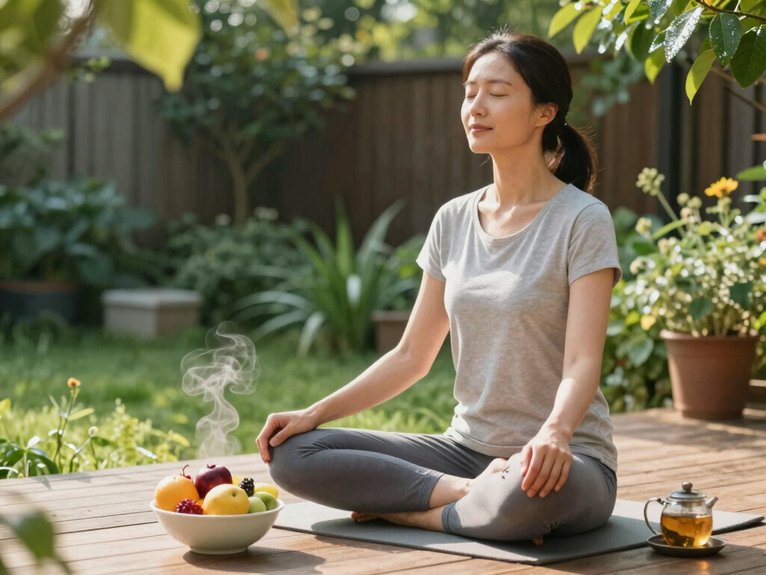
You can practice kind discipline by treating yourself like a friend who slipped up but is ready to try again—encourage small steps like a short walk or a healthy snack instead of lecturing yourself! It’s amazing how a gentle, firm approach lowers stress and keeps you going, helping you turn mistakes into lessons and build better habits. So go ahead, be patient and persistent, cheer yourself on, and notice how your motivation grows!
Kind discipline
Even when you slip up—and hey, you will sometimes—that gentle, steady kind of discipline is what keeps your healthy habits alive, not the blame game or harsh pep talks! You can treat missteps like learning moments, using mindful journaling and compassionate self talk to notice patterns without shame. That kind stance builds motivation, lowers anxiety, and helps you get back on track with joy, not guilt. Here are practical ways to practice kind discipline that make you feel seen and supported:
- Write one brief entry of reflection and gratitude after a setback, noticing feelings and wins.
- Use compassionate self talk: speak to yourself like a close friend cheering you on.
- Pick one small, doable goal to rebuild momentum.
- Celebrate progress weekly, however small.
Frequently Asked Questions
How Do I Track Progress Without Becoming Obsessive?
Use simple progress journaling and set weekly check-ins so you won’t obsess; practice mindful tracking of feelings, not just numbers, share wins with supportive friends, and adjust goals gently to stay connected and balanced.
Can Social Media Impact Long-Term Balance?
Yes — social media can sway your balance, amplifying comparisons and distraction, but you can reclaim control: schedule a digital detox, curate supportive feeds, set limits, and lean on community to stay grounded and connected.
What Supplements Are Truly Necessary, if Any?
You don’t strictly need supplements if you get crucial nutrients from food, but you might want vitamin D, B12, or omega‑3s; check supplement safety, consult peers and a clinician, and choose trusted brands that make you feel supported.
How Do Travel and Holidays Fit Into Routines?
By golly, you fit travel flexibility into routines by planning flexible windows and accepting holiday indulgence as occasional celebration; you’ll return to habits gently, lean on your community for accountability, and feel welcomed rather than punished for breaks.
When Should I Consult a Professional for Setbacks?
You should consult a professional when setbacks persist beyond a few weeks, interrupt daily life, or feel overwhelming; use self reflection techniques first, then reach out to mental health resources and trusted allies who’ll support your belonging and care.