
You can feel clearer, calmer, and more grounded by weaving tiny practices into your day: notice your breath with slow belly breaths or box breathing, move gently with 10–15 minutes of yoga or a barefoot grounding walk, eat bright whole foods and hydrate, take a five-minute quiet check-in or journaling pause, play or doodle for creativity, and wind down with a steady sleep ritual—simple, doable habits that stack into real change, and there’s more practical guidance ahead.
Key Takeaways
- Start each day with five minutes of conscious breathing to calm the nervous system and center attention.
- Move gently for 10–15 minutes (yoga, tai chi, or walking) to release tension and connect body and mind.
- Eat mindfully, hydrate, and follow a consistent wind-down routine to support energy and restorative sleep.
- Pause for a brief emotional check-in and five-minute reflection to name feelings and notice patterns.
- Use a daily creative practice or gratitude note to express emotions, integrate insights, and build mental resilience.
Breath Awareness
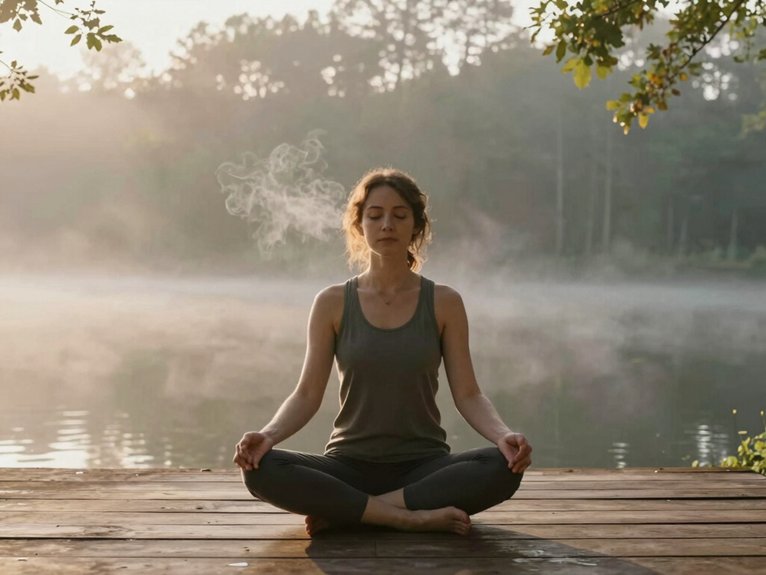
Get ready to notice your breath—it’s amazing how much strength is hiding in something you do all day without thinking! Try simple patterns like slow belly breaths, box breathing, or the 4-7-8 method for a few minutes, and you’ll calm your mind, steady your nerves, and feel clearer fast. Give it a shot right now, you might be surprised how connected and peaceful you feel!
Conscious breathing
While you might think breathing is automatic, tuning into your breath can totally change how you feel—seriously, it’s that strong! You’ll find conscious breathing brings instant calm, and simple breath techniques like box breathing or 4-7-8 are easy to learn and use anywhere. Try deep diaphragmatic breaths to slow your heart and ease tension, and notice how your body relaxes as your nervous system shifts into rest and digest. Just a few minutes daily sharpens your mind, helps you manage emotions, and enhances overall well-being, so you feel more connected to yourself and to others. It’s a welcoming practice, gentle and impactful, and it reminds you you belong here, breathing together with everyone.
Gentle Movement

Ready to get your body flowing and feel great? Try gentle movement like slow yoga stretches or tai chi sequences for 15–30 minutes—your muscles will thank you, your balance will improve, and you’ll notice your mind clearing up as you move with intention. Give it a shot and enjoy the little wins, from eased tension to a brighter mood, one easy flow at a time!
Body flow
Because your body and mind are always talking to each other, gentle body flow practices like yoga and tai chi are a perfect way to tune into that conversation! You’ll love the body flow benefits: improved flexibility, gentle strength, and clearer thinking, all from short daily sessions. Try 10–15 minutes of mindful movement each morning, and feel stress melt as you breathe, stretch, and move with intention. These practices help you notice where you hold tension, release it, and invite calm, activating your parasympathetic system so you feel safe and grounded. You’re welcome in this lively, warm community of movers—no showy poses required, just curiosity, laughter, and steady breaths that reconnect your body, mind, and heart.
Nourishing Nutrition
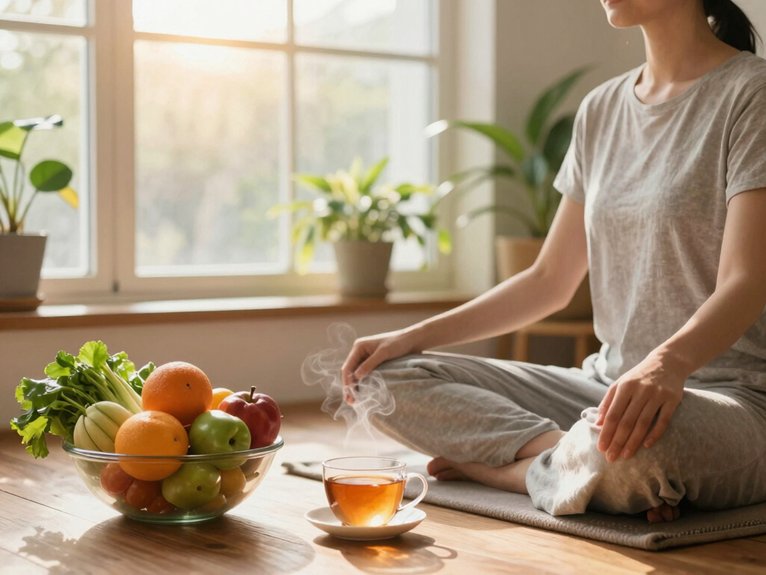
You can turn eating into an act of self-care by practicing intentional eating, noticing flavors, textures, and how food makes you feel—try savoring a juicy berry or a crunchy handful of nuts and notice the difference! It’s fun to plan simple meals with whole grains, lean proteins, colorful veggies, and a bit of healthy fat, and you’ll often find your energy and mood thank you for it. Stay hydrated too—sip water throughout the day, and you’ll be amazed how much clearer your mind and body feel!
Intentional eating
When you slow down and pay attention to what’s on your plate, eating becomes way more than just fueling your body—it can be a small act of self-care that lifts your mood and sharpens your mind! You’ll love how mindful meals, nutrient density, and flavor exploration turn routine eating into a shared ritual. Practice portion awareness, food journaling, and meal prep to stay steady, and embrace hydration habits to keep energy high. Notice the sensory experience—colors, textures, aromas—and try seasonal eating and culinary creativity to feel connected and supported.
| Tip | Benefit | Try this |
|---|---|---|
| Omega-3s | Mood lift | Salmon, flaxseed |
| Hydration | Clarity | Water + lemon |
Mental Stillness
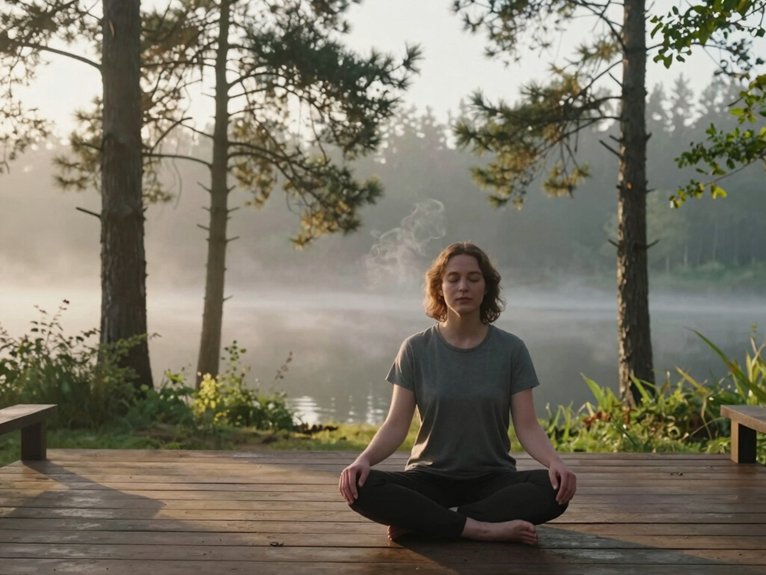
You can find strong calm in quiet moments, whether you’re sitting for a 10-minute meditation, doing a few rounds of 4-7-8 breathwork, or scribbling thoughts in a quick journal entry—wow, what a difference that little pause can make! Stick with these tiny rituals and you’ll notice clearer thinking, less stress, and better choices popping up through your day. Give it a try, make it part of your routine, and enjoy the surprise of how resilient and balanced you’ll feel!
Quiet moments
Though it might sound simple, carving out quiet moments for mental stillness can feel like finding a secret garden in the middle of a noisy day—and it’s amazing what a few minutes can do! You’ll notice stress easing as your mind resets, and five-minute meditations or mindful journaling can sharpen your clarity, so decisions get easier. Try breathwork like deep breaths or the 4-7-8 method to calm your nervous system, and picture these pauses as tiny quiet retreats that belong to you. They help with overwhelm and reconnect you to feelings and thoughts without distraction, and they build presence little by little.
- A sunlit corner, notebook open, pen ready
- A quiet bench, lungs filling, shoulders dropping
- A dim room, soft hum, mind settling
Emotional Check-In
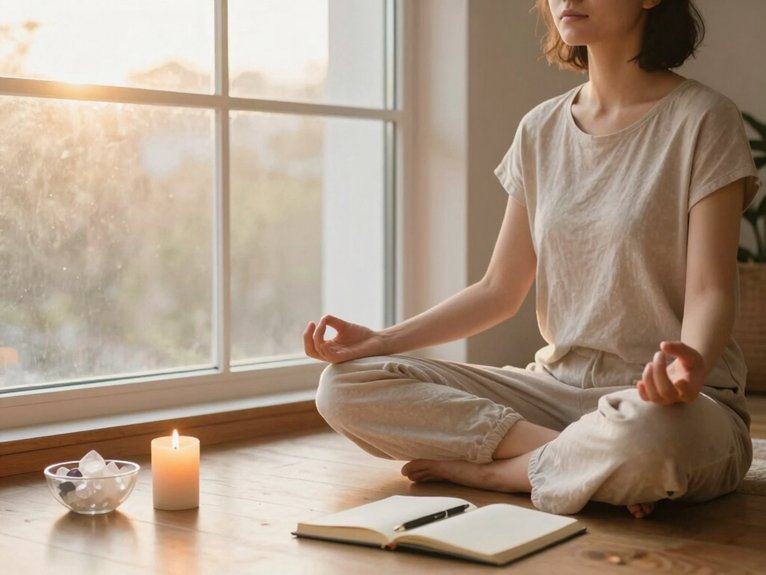
You can start by simply noticing what you’re feeling right now — curious, tired, a little jumpy, or maybe calm — and that’s already impactful! Spend as little as five minutes naming those emotions, maybe jotting them down or saying them out loud, so you catch small shifts before they turn into big stress. It’s a tiny habit that wakes up your emotional radar, helps your brain think more distinctly, and makes your day feel a lot more manageable (and yes, you’ll probably smile about it later!).
Feeling awareness
When you pause for a quick emotional check-in, amazing things can happen — it’s like flipping on a light in a room you’ve been stumbling around in! You notice emotional triggers, name sensations, and expand your feeling vocabulary, and suddenly you’re not swept away by a storm, you’re learning its patterns. This practice builds belonging, because you see yourself distinctly and accept what shows up, no judgment, just curiosity. Do it often, even for a minute, and you’ll gain clarity and calmer choices.
- A warm, sinking feeling in your chest that you gently name as “anxiety” or “worry.”
- A buzz behind your eyes that you call “excitement” and breathe into.
- A heavy weight in your shoulders labeled “grief” that you soften with a slow exhale.
Digital Detox Windows
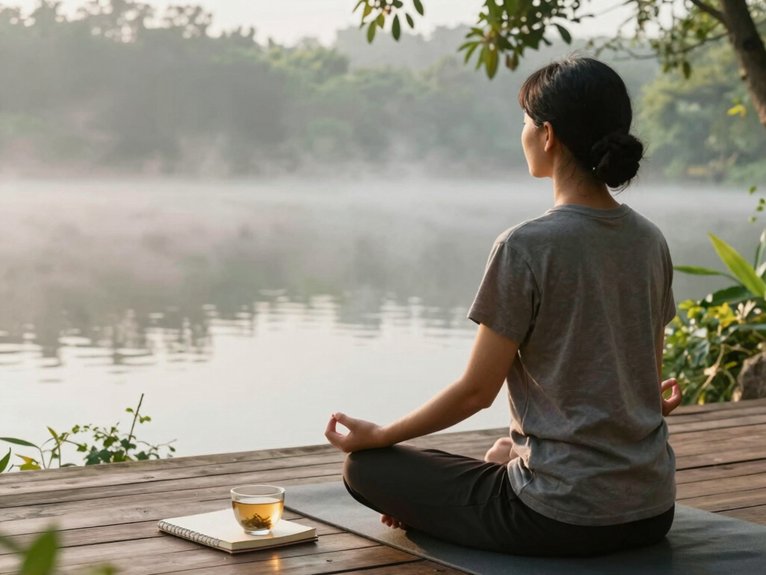
Ready for a little tech-free pause? Try carving out short, scheduled windows—like a phone-free breakfast, a no-screen walk, or the hour before bed—and notice how your head clears and your conversations feel richer! You’ll sleep better, focus more, and yes, you might even laugh louder without a screen in your hand!
Tech-free pauses
Even if it feels strange at first, carve out short tech-free pauses during your day and watch how your mind breathes a little easier — hooray for tiny revolutions! You’ll notice how mindful technology choices and tech free creativity open up space for clarity, less anxiety, and better sleep, and you’ll feel more connected to people around you. Try short, regular digital detox windows to boost focus and emotional balance, and celebrate small wins when you resist the scroll — you’re not alone in this, we’ve all been there!
- A quiet cup of tea, no phone, sun on your face
- A five-minute walk, leaves crunching underfoot, breath steady
- A page of a book, fingers tracing paper, phone tucked away
Nature Connection
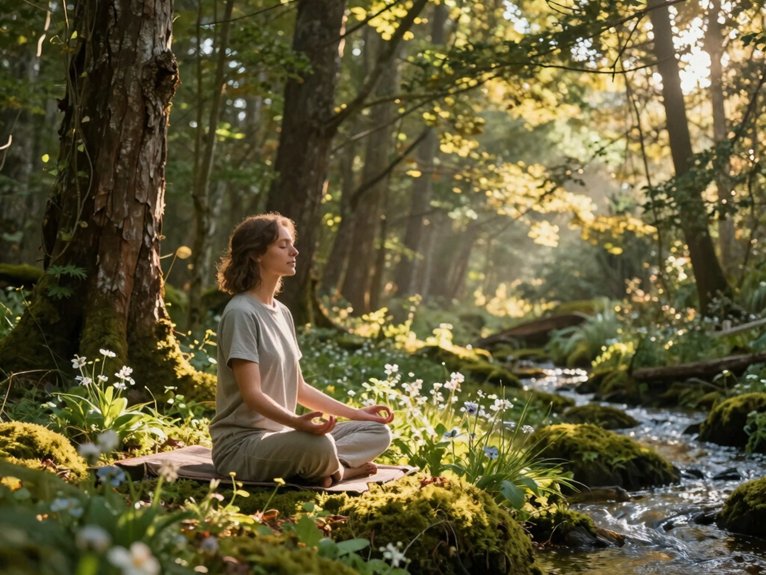
Get outside and try some outdoor grounding—it’s a simple boost you can feel right away, like standing barefoot on cool grass or sitting with your hands in the dirt while you garden. You’ll notice stress easing, your thoughts getting clearer, and even a spark of creativity when you let the sun and breeze reset your mood—science backs this, with parks and green spaces linked to lower cortisol and better mental balance. Give it a shot today, even a short walk or a few minutes under a tree can make a big difference, and hey, nature’s free therapy!
Outdoor grounding
When you kick off your shoes and feel the cool grass or warm soil underfoot, something simple and surprisingly strong happens—you start grounding, or “earthing,” and your body and mood can thank you for it! You’ll notice grounding techniques like walking barefoot, sitting on a park bench with feet on the earth, or hugging a tree can lower inflammation and help your heart rhythm settle, which helps stress and emotions, yay! Nature benefits pop up fast: clearer thinking, better sleep from natural light, and less anxiety. You belong here, with other people and the planet, so try this often and feel rooted.
- Bare feet on dewy morning grass, birds singing nearby
- Hands pressed into cool, damp soil, scent of earth
- Sunset walk, soft breeze, neighborhood lights glowing
Creative Expression

Ready to play with paint, pluck a tune, or scribble a story? You’ll find artistic outlets like painting, music, writing, or dance let you pour out feelings, boost your mood with that sweet hit of dopamine, and calm your mind in the moment—it’s like a mini-vacation for your brain! So grab a brush, hum a melody, or try a goofy dance move and see how your creativity wakes up your heart and sharpens your thinking!
Artistic outlets
Artistic outlets like painting, journaling, or picking up a guitar can feel like a secret door to your inner world — and you’ll love peeking inside! You’ll find artistic journaling and music therapy helpful as you let feelings spill out, clear your mind, and connect with others who get it. Creative work gives you purpose, calms anxiety, and helps you sort complex emotions without saying a word. Try small, regular sessions to boost problem-solving, sharpen focus, and grow resilience, and don’t worry about being perfect — you belong in this space!
- A sunlit corner with paints drying, scent of coffee, soft hummed chords.
- A worn notebook of late-night sketches and honest lines.
- Callused fingertips from learning a new song, smiling at progress.
Restful Sleep Ritual
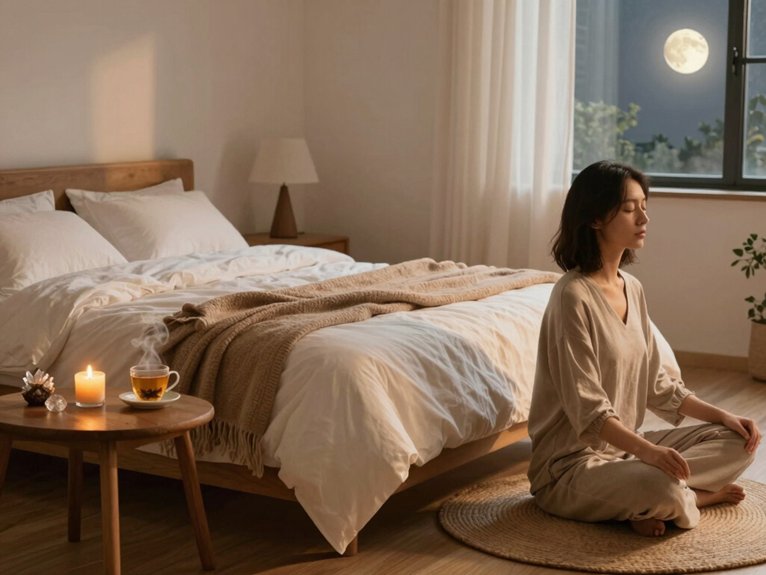
You can set the stage for better nights by building a consistent wind-down that tells your body it’s time to relax—think dim lights, a warm mug of chamomile, and gentle stretches. Try to start the same calming routine each evening, even on weekends, so your brain learns the signal and you fall asleep more easily; it’s like training a friendly bedtime habit! Give it a week or two and you’ll probably notice you wake up feeling sharper and more ready to enjoy your day—how nice is that?
Consistent wind-down
When the evening rolls around, carve out a little ritual that tells your body it’s time to slow down—dim the lights, put your phone away, and let the house whisper instead of shout! You’ll find simple wind down techniques, like gentle stretching, a warm bath, or quiet gratitude journaling, help your bedtime environment feel safe and cozy, so you can relax together as a family of folks seeking calm. Try keeping a steady bedtime and wake-up time, even on weekends, to honor your internal clock. Reducing screens an hour before bed boosts melatonin and calms your mind, too. You belong in this calm, and small, steady habits bring you there—snuggle into them, laugh softly, and rest well!
- Soft lamp glow, warm mug in hand
- Slow stretches, breath lengthening
- A short gratitude note, sigh of relief
Daily Reflection
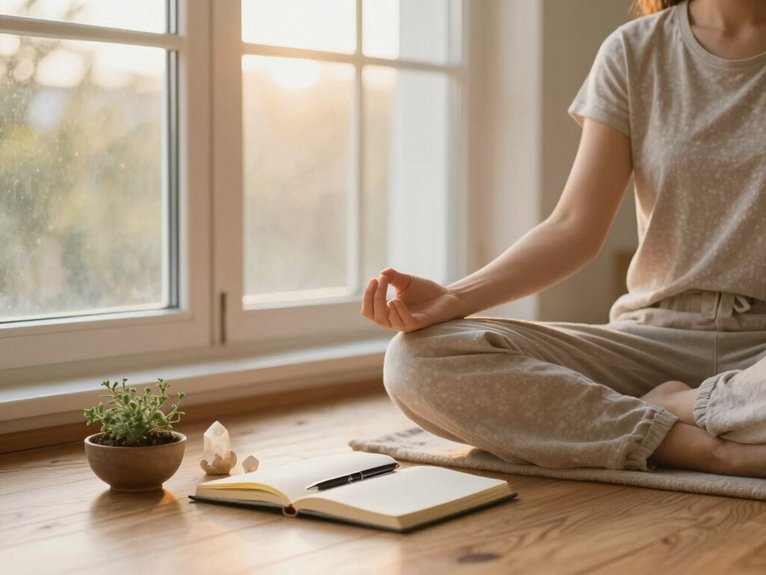
Make daily reflection a simple integration habit you’ll actually stick with, even if it’s just five minutes of jotting thoughts in a notebook or pausing with a cup of tea—small steps count big time! You’ll notice patterns, calm stress, and tune your choices to what matters most, which feels amazing and makes life clearer. Try pairing it with your morning coffee or bedtime routine, and watch how this tiny ritual grounds your mind, body, and soul—yes, it really works!
Integration habit
Since taking just five quiet minutes at the end of your day can shift everything, try a quick daily reflection that checks in with your mind, body, and soul — and yes, it’s easier than you think! You’ll use mindful scheduling to tuck this pause into your evening, a tiny ritual that becomes yours. Do a routine evaluation: jot thoughts, notice tension, and name one small win or gratitude. It builds belonging, you’ll see patterns, and you can tweak habits without pressure. Try simple journaling, it’s liberating and funny sometimes! Picture these moments:
- A warm lamp, pen in hand, breathing out the day’s knots.
- A cozy chair, a grateful line, a relieved smile.
- A calendar note, a tiny adjustment, clearer tomorrow.
Keep it gentle, keep it yours!
Frequently Asked Questions
Can These Practices Replace Professional Mental Health Care?
No, they can’t replace professional mental health care; they offer self care benefits and complement comprehensive approaches, and you’ll feel supported and connected when you use them alongside therapy, medication, or crisis intervention as needed.
How Do I Adapt Routines for Chronic Illness or Injury?
You’ll adjust routines by using flexible strategies and gentle modifications that honor limits, pacing progress, and inviting communal support; you’ll choose accessible movements, sensory comforts, and check-ins with peers or professionals so you feel included and safe.
What if I Live in a Noisy, Urban Environment?
City clamor meets inner calm — you’ll reclaim space by using noisy distractions as cues to breathe and reset. You’ll carve tiny rituals, practice urban mindfulness in shared spaces, and feel belonging amid the city’s pulse.
How Do I Maintain Consistency While Traveling Frequently?
You’ll maintain consistency by creating compact travel routines that feel like home, sticking to simple rituals, practicing mindful packing, scheduling short check-ins for breath or journaling, and connecting with fellow travelers so you don’t feel isolated.
Can Cultural or Religious Beliefs Conflict With These Practices?
Yes — you can adjust, and sometimes practices will clash with local belief systems. By embracing cultural integration, you’ll weave rituals that honor diverse belief systems, so you’ll feel belonging while staying true to your core.