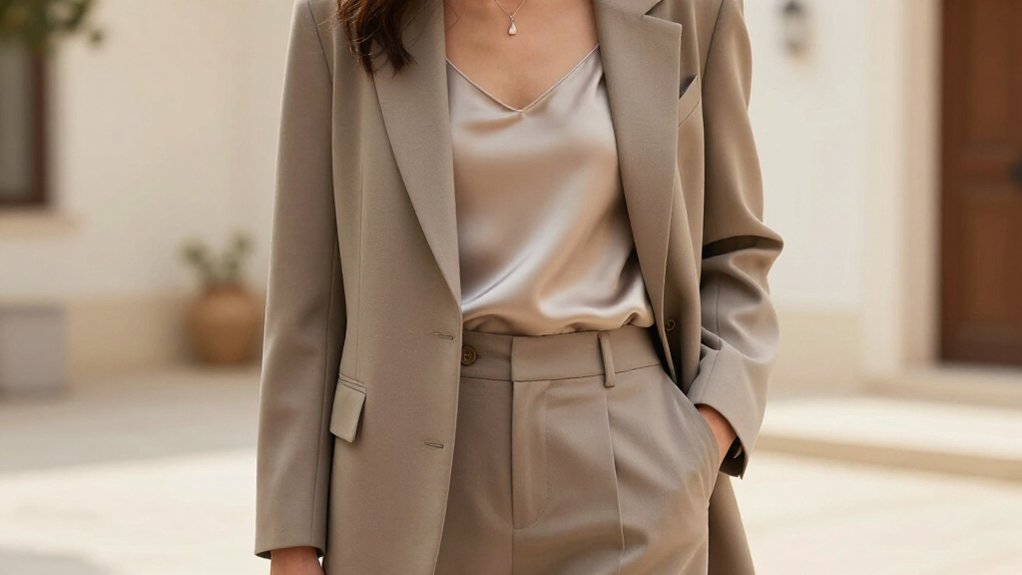
You can build a timeless, conscious style with a neutral capsule: a white organic cotton tee, straight-leg jeans, a blazer, camel coat, and a little black dress. I mix in thrifted wool blazers, linen shirts, and a silk scarf for polish, then use a leather belt or white sneakers to keep it easy for family days. Stick to black, white, navy, beige, and olive, wash cold, repair fast, and keep the good stuff coming.
Key Takeaways
- Build a capsule wardrobe with 25–30 timeless pieces like a white shirt, straight-leg jeans, blazer, trench, and LBD.
- Choose natural, durable fabrics such as organic cotton, linen, wool, merino, and Tencel for longevity and lower impact.
- Stick to a neutral palette of black, white, navy, beige, grey, and olive for easy mixing and fewer outfits to buy.
- Shop second-hand or from transparent brands with repair, resale, or circular programs to extend garment life.
- Care for clothes by washing cold, air drying, mending quickly, and keeping only pieces you’ll wear at least 30 times.
Neutral Capsule Wardrobe
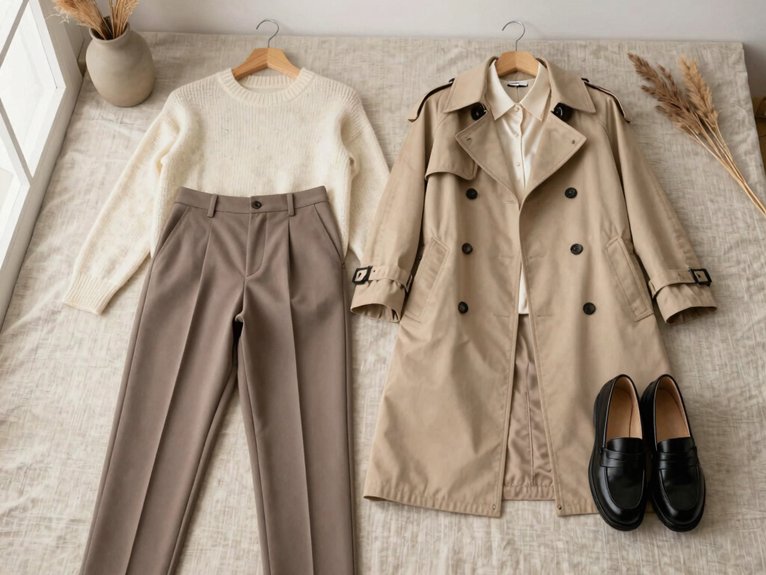
When I think about a neutral capsule wardrobe, I think “less stuff, more outfits,” which is honestly the dream when your closet starts acting like a mild disaster zone.
You can build yours with 25–30 pieces: a little black dress, white shirt, straight-leg jeans, camel coat, and a tailored blazer. I’d choose organic cotton, linen, wool, or Tencel for softness and strength.
Stick to black, white, navy, beige, grey, or olive, and you’ll get seasonal flexibility with easy capsule rotation.
Buy well-made pieces, then wash cold, air dry, and store them carefully so your closet stays calm and kind.
Thrifted Outfit Styling
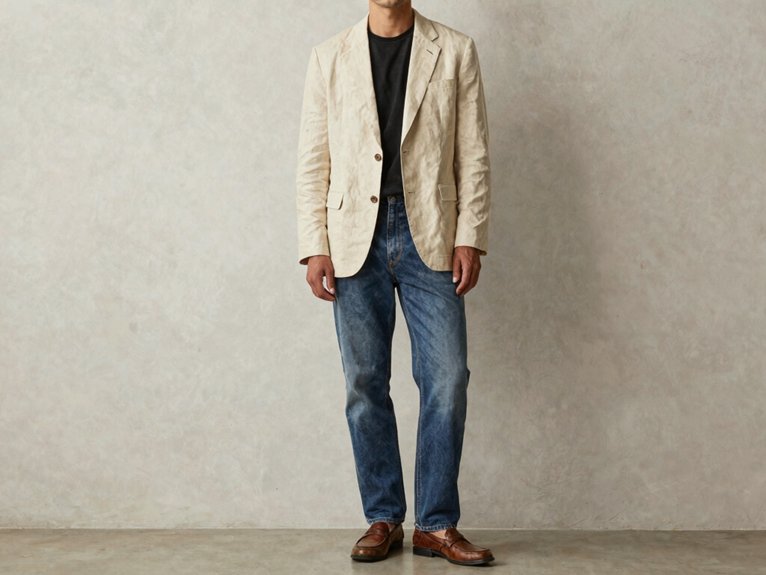
When you shop second-hand, you can score pieces with better fabric and more character—think wool blazers, cotton tees, silk scarves, and that one trench coat that acts like it owns the room.
I always check seams, zippers, and hems first, because a tiny fix now can save you from a “why is this sleeve doing that?” moment later, and my family still laughs when I bring home a sweater that needs one lonely button.
Then I mix thrifted finds with clean basics, like organic cotton shirts or simple jeans, so your outfits look polished, cost less, and keep good clothes out of the landfill.
Second-hand fashion
Thrift stores are my favorite kind of treasure hunt, because a well-made second-hand piece can look amazing and do a lot less harm to the planet. I’ve found wool coats, denim jackets, and cashmere sweaters that outlast fast fashion by miles. You can even cut carbon emissions by up to 82% when you choose pre-owned.
I check seams, linings, zippers, and pilling, then fix tiny issues fast. My family loves seasonal swapping, and I pay attention to garment histories. Mix a vintage silk scarf or blazer with straight-leg jeans, choose neutral colours, and keep only pieces you’ll wear 30 times.
Organic Cotton Basics
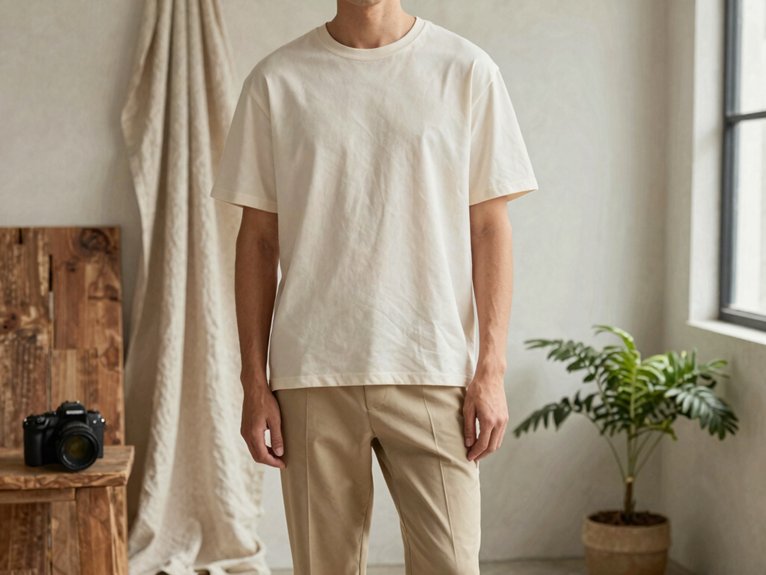
- Pick a white tee, shirt, or crewneck.
- Check for GOTS or OEKO-TEX labels.
- Notice the feel: softer fibers, fewer scratchy seams.
- Choose pieces that support soil health and fair wages.
Organic cotton can use less water, protect land, and help you buy less. That’s a win for your closet and your crew.
Linen and Natural Fabrics
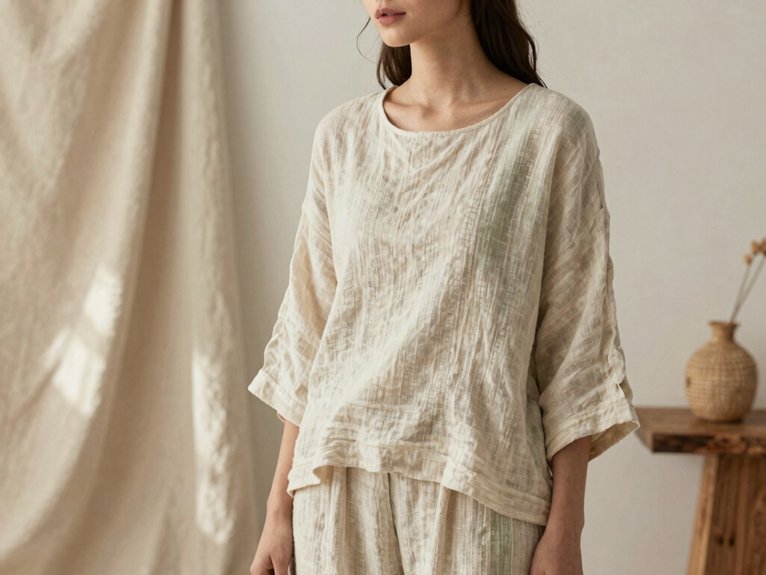
I often reach for linen when I want an outfit that feels easy, cool, and a little more planet-friendly. You can too. Linen comes from flax, a low-impact crop, and it can use up to 80% less water than cotton. I love that my favorite shirt feels breezy and still holds up.
Choose 100% linen, wool, organic cotton, or Tencel pieces for better breathability and fewer microplastics. Prewashed, midweight styles shrink less and soften over time. My linen caretips: wash cold, line dry, and skip high heat. Check flax sourcing, and prefer natural blends without synthetic bits.
Earth Tone Color Palette
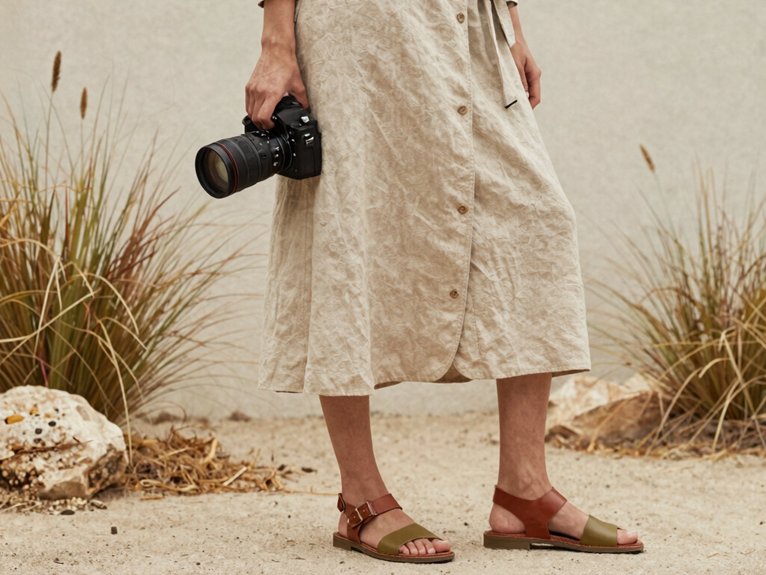
I love how brown, beige, and olive can make your closet feel calm and pulled together, like the kind of outfit your favorite aunt would call “effortless” with full approval.
If you start with a camel coat, a beige knit, and an olive blazer, you can mix them with jeans, black pants, or a white tee and keep building looks without your wardrobe staging a protest.
I’ve seen these earthy shades work for my family too, and they make it easier to wear pieces again and again, which is great for style and for the planet.
Brown, beige, olive
Earth tones are the quiet heroes of a sustainable closet. You’ll fit right in when you build around brown, beige, and olive.
- Pair a camel trench, olive trousers, and chocolate-brown boots for a no-fuss capsule look.
- Choose wool, linen, or organic cotton; their textures make beige and olive feel rich, not flat.
- I love recycled brown bags and eco-friendly leather belts; they age like they’ve got stories.
- Use beige in spring, deeper olive in fall. Sustainable dyeing and botanical printing keep the palette calm, honest, and easy to wear again and again.
Minimalist Outfit Combinations
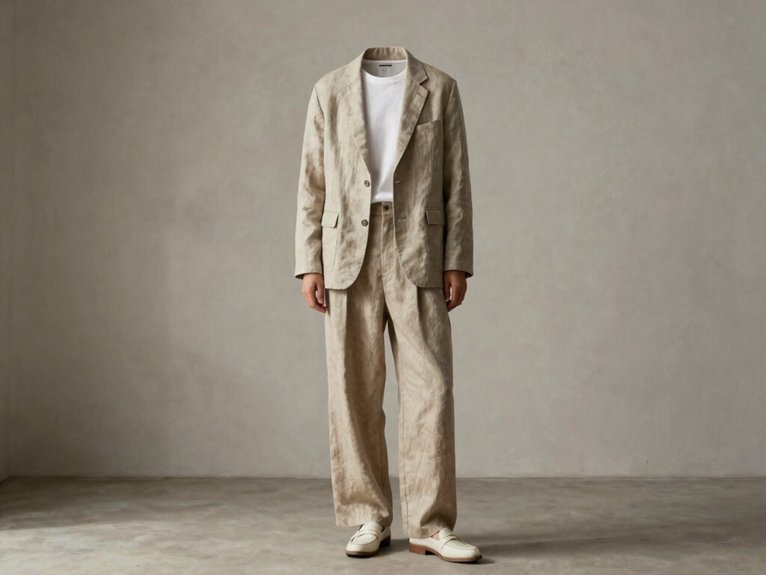
When I’m building minimalist outfit combinations, I start with a small capsule and let it do the heavy lifting, because fewer pieces can honestly make getting dressed way easier.
You can mix 8–12 staples—an organic cotton tee, straight-leg jeans, a tailored blazer, and white sneakers—for 30+ looks. Stick to black, white, navy, beige, and grey; your closet suddenly behaves like a team.
I love seasonal silhouettes with monochrome textures because they feel polished, not boring. Choose wool, Tencel, and cotton.
Add one silk scarf or leather belt, and you’re dinner-ready. My family calls that “magic laundry-day math.”
Slow Fashion Mindset
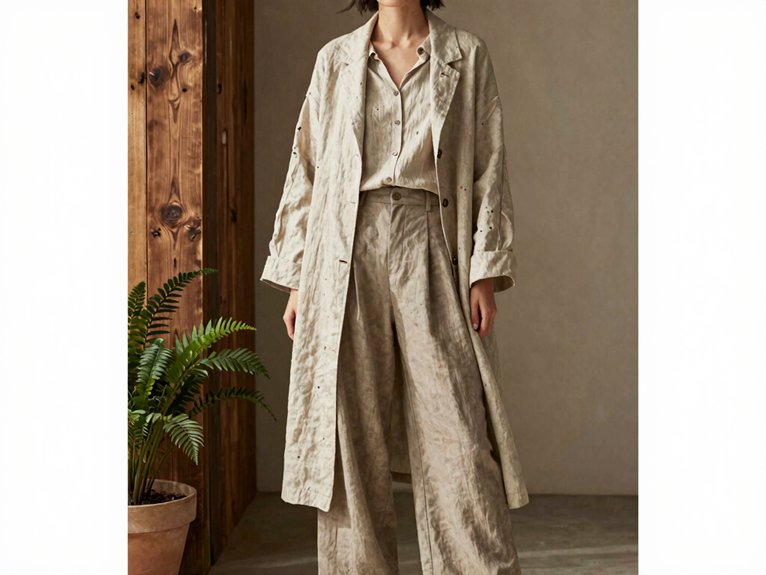
Patience is the secret sauce of a slow fashion mindset, and it changes how I shop in a really practical way.
I do mindful shopping, and I keep up with slow trendcycles by asking: will I wear this 30 times?
- I choose a white shirt or trench coat that works with my jeans.
- I buy wool coats or leather shoes only when they feel repairable.
- I use one-in, one-out, so my closet doesn’t gasp.
- I check brands for organic cotton, recycled fibers, and fair labor.
My family gets it now, and honestly, my wardrobe feels calmer.
Upcycled Clothing Pieces
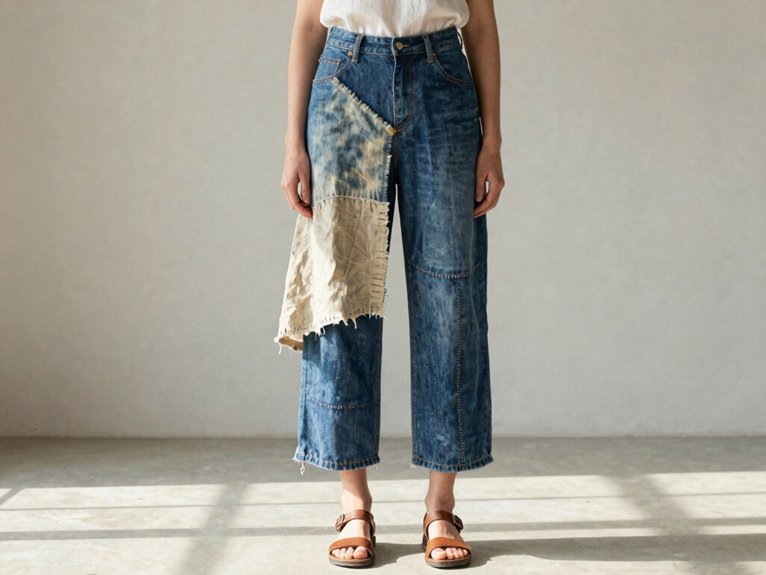
You can turn an old shirt, dress, or pair of jeans into something fresh with a little DIY magic, like patchwork pockets, a quick dye bath, or a few neat stitches.
I’ve watched a tired sweater become a cool vest in my own family, and yes, it felt a little like closet wizardry.
Start with sturdy fabrics such as cotton or wool, because they’re easier to mend and remake, and your new piece can last for years instead of heading to the landfill.
DIY transformation
DIY transformation is where my closet gets a second life, and honestly, it feels a little like magic with scissors.
In my family, we love seasonal refashioning because it keeps favorite pieces in the rotation, and repair workshops make the process feel shared, not lonely.
- Cut old jeans into high-waist shorts, then fold and stitch a 1–2 cm hem.
- Turn a cotton T-shirt into a tie-front top, headscarf, or scrunchie.
- Felt a wool sweater into mittens or a beanie.
- Make a wrap skirt or silk scarf mask with neat seams.
Quality Over Quantity Wardrobe
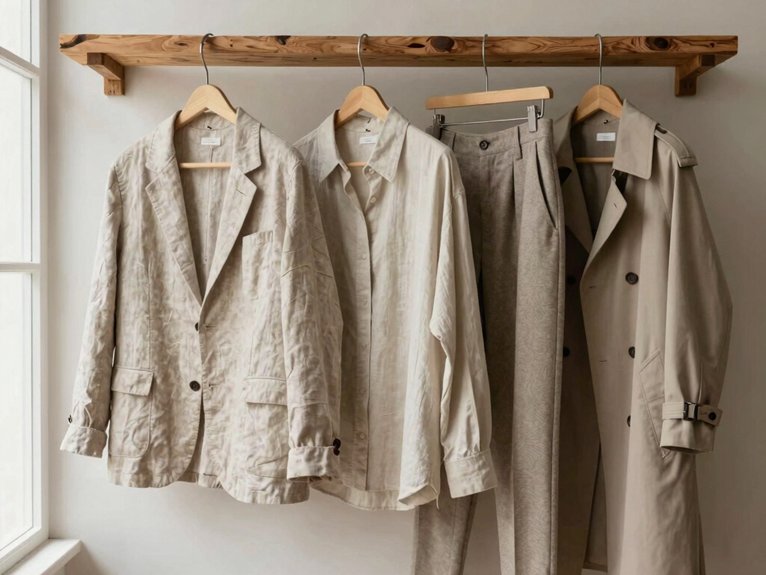
Quality has a way of quietly outshining a crowded closet. I’ve learned that investing in investment pieces like a wool coat, leather shoes, and a crisp white shirt pays off fast. You get garment longevity, fewer replacements, and less closet drama.
I use the 30 Wears rule: if I can’t picture 30 outings, I pass. My family jokes that my blazer has seen more dinners than our couch, and that’s the point.
I build around organic cotton tees, straight-leg jeans, and a little black dress, then check stitching, lining, and buttons. One in, one out keeps me sane.
Vintage Denim Looks
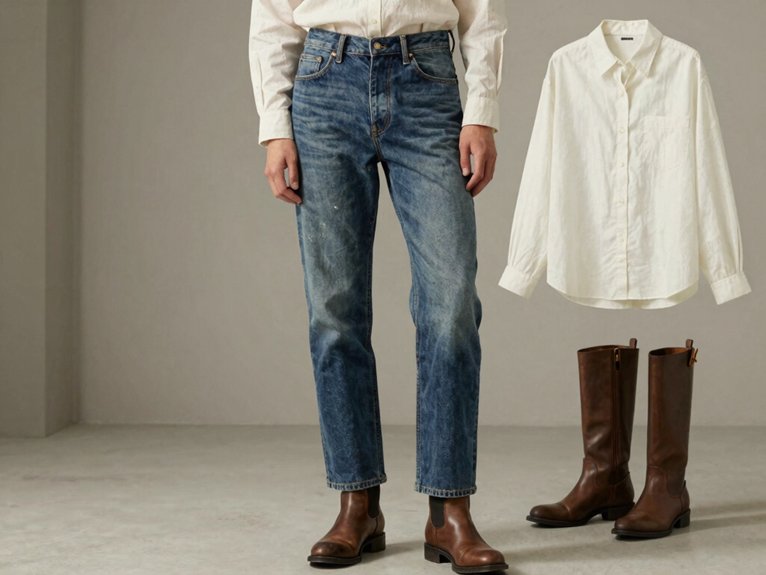
When I reach for vintage denim, I usually go straight for straight-leg or high-waist cuts because they just work, year after year. You can join the club with medium-blue, non-distressed jeans in selvedge or 12–14 oz denim; they’re tough, and your closet won’t scream “new pants again?”
Pair them with an organic cotton tee or wool blazer for easy, season-spanning outfits. For denim care, I wash less and mend fast. For ethical sourcing, I shop thrift stores and pre-loved sites.
- Check seams
- Patch holes
- Upcycle leftovers
- Choose smart washes
Handmade Accessories
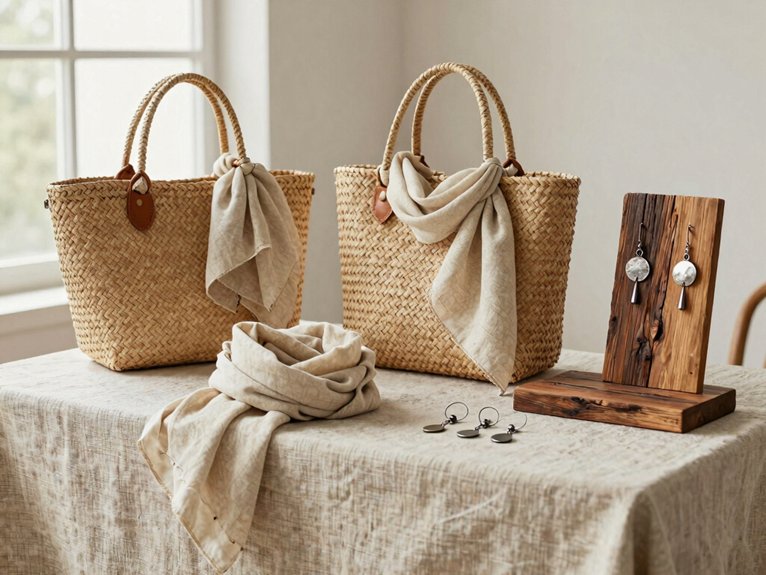
After vintage denim, I love reaching for handmade accessories because they can make even the simplest outfit feel thoughtful and personal.
You’ll notice the difference in a hand-stitched leather belt, a beaded necklace, or a knitted wool hat.
These pieces use artisan techniques and stronger materials, so they last longer and feel special.
I look for biodegradable materials like silk scarves, organic cotton headbands, and vegetable-tanned leather.
I also buy from local makers when I can; it feels good knowing my money supports real people.
Plus, repairable clasps and re-sewn hems mean fewer fashion emergencies, thankfully.
Layered Simple Outfits
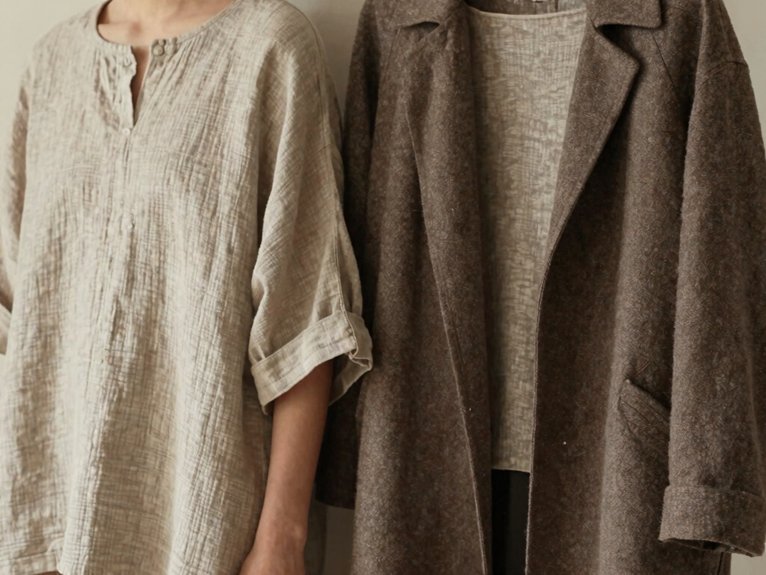
You can make layered simple outfits feel easy by starting with a white organic cotton tee, a merino wool sweater, and a beige trench, then mixing in straight-leg jeans or a black LBD for looks that just work.
I’ve found that neutral colors and natural fibers keep mornings calmer, because your layers match, breathe, and last longer without turning your closet into a drama club.
Add a silk scarf or leather belt, toss on a denim jacket or blazer when you need a quick polish, and you’re out the door looking put together with barely any fuss.
Effortless styling
Effortless styling starts with layers that do more than just look good—they work hard, too. In my family, we build a seasonal capsule with fabric care in mind, and it saves time and money.
- Try an organic cotton tee, blazer, and straight-leg jeans.
- Add a merino sweater over a white shirt for cozy, less-wash wear.
- Toss on a denim jacket or trench coat for extra seasons and fewer “I need a new coat” moments.
- Finish with a silk scarf or belt.
Stick to navy, beige, black, and white. You’ll mix, match, and belong anywhere.
Eco-Friendly Brand Choices
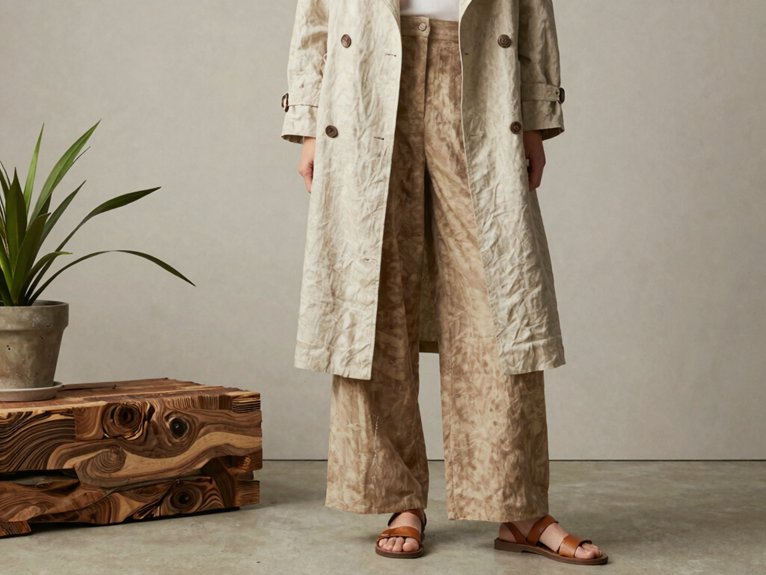
When I shop for sustainable style, I start with a little detective work, because the brand matters almost as much as the outfit. I look for transparent sourcing and circular certifications, so I know who made it and where it’ll go next.
| Brand choice | Why it helps |
|---|---|
| Eileen Fisher Renew | Resells and remakes pieces |
| Patagonia Worn Wear | Extends garment life |
| People Tree or Thought | Uses better fibers |
I also check Fair Trade, B Corp, and Bluesign badges, then I favor small makers who list materials and lifespan. My family loves the “less but better” rule; my closet does too.
Frequently Asked Questions
What Are the 7 Forms of Sustainable Fashion?
You’ll find seven forms: slow fashion, ethical sourcing, eco-friendly materials, circular design, secondhand shopping, rental fashion, and zero-waste design. You can mix them to build a wardrobe that feels stylish, responsible, and truly yours.
What Clothing Styles Are Timeless?
You’ll always look current in minimalist silhouettes and tailored classics: a crisp white shirt, straight-leg jeans, trench coats, blazers, and little black dresses. Coincidentally, they suit nearly everyone, so you’ll feel naturally included.